If you’re a student exploring digital marketing, you’ve probably come across terms like SEO, Google Ads, PPC, and Meta Ads all mixed together, and it’s not always clear how they connect.
Basically, make sure you understand where Meta Ads actually sits in the bigger picture before deciding whether it’s worth your time. The logic behind it matters more than just following a trend.
At Digital Discovery Institute (DDI), based in Mohali, we work with students who are exactly at this stage trying to make sense of where to start in digital marketing. Our training is built around hands-on, campaign-level learning rather than just theory, so students walk away with real, practical skills they can actually show employers or use for freelancing.
First, Where Does Meta Ads Fit in Digital Marketing?
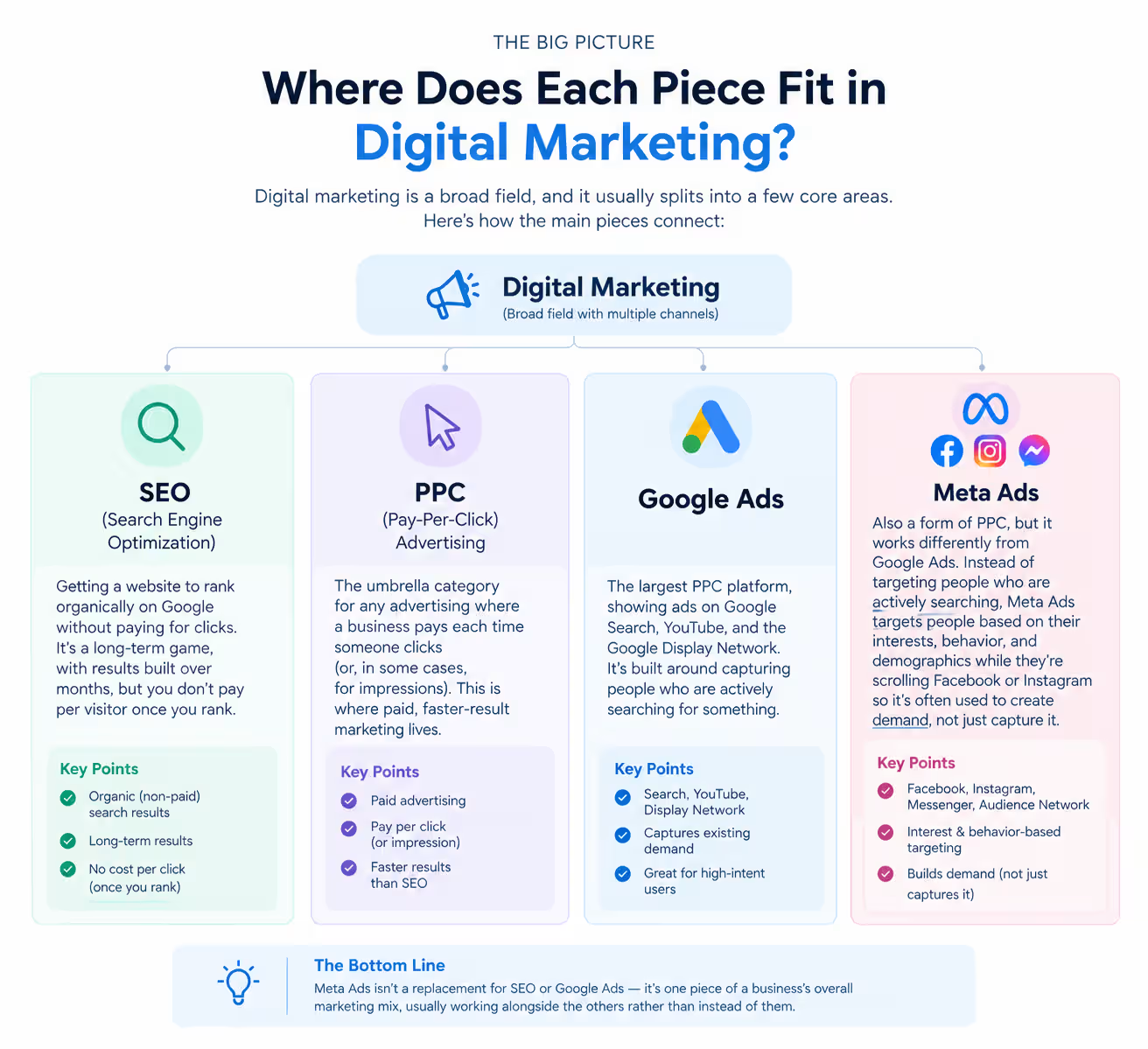
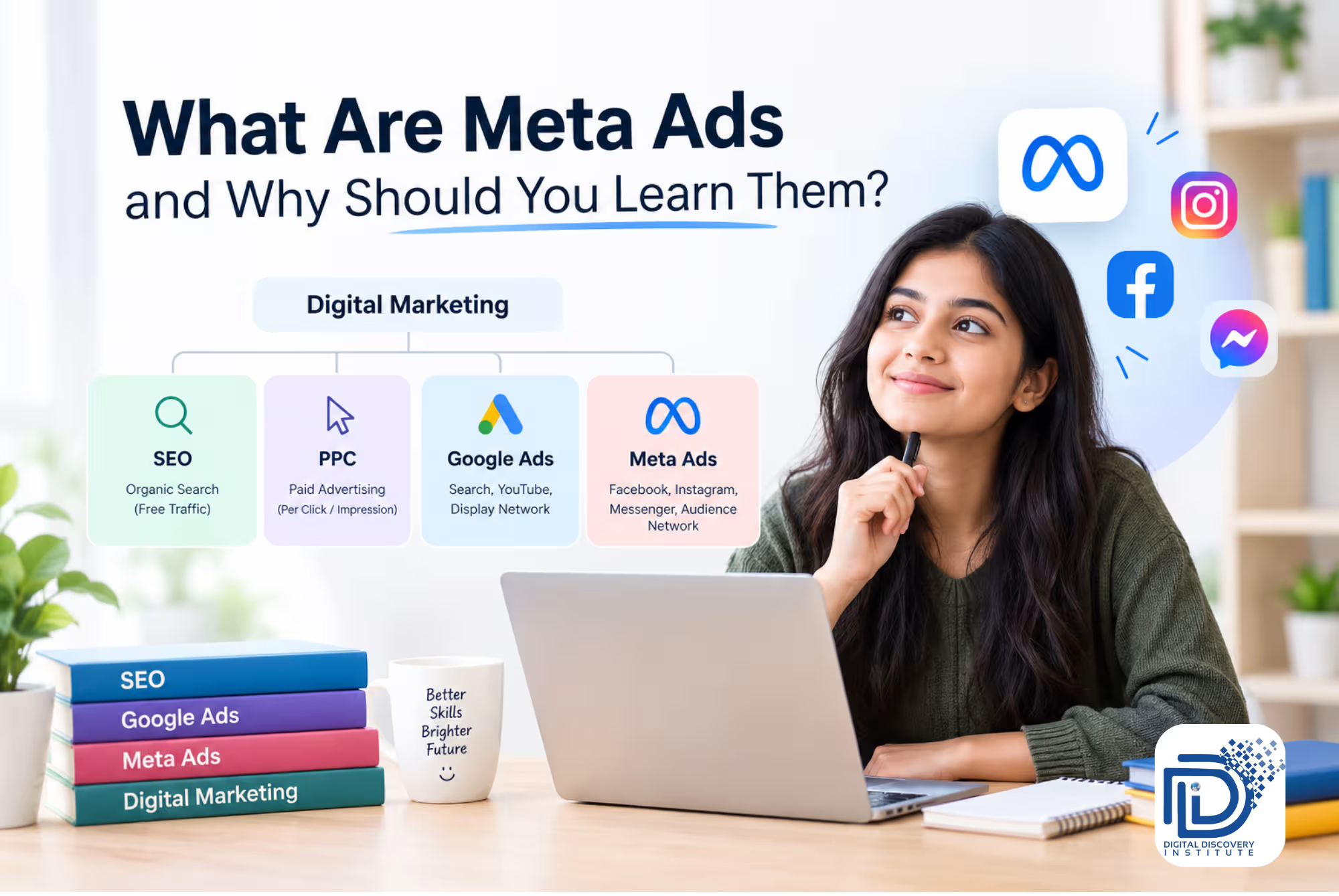
Digital marketing is a broad field, and it usually splits into a few core areas:
- SEO (Search Engine Optimization) – Getting a website to rank organically on Google without paying for clicks. This is a long-term game results built over months, but you don’t pay per visitor once you rank.
- PPC (Pay-Per-Click) Advertising – The umbrella category for any advertising where a business pays each time someone clicks (or, in some cases, for impressions). This is where paid, faster-result marketing lives.
- Google Ads – The largest PPC platform, showing ads on Google Search, YouTube, and the Google Display Network. It’s built around capturing people who are actively searching for something.
- Meta Ads – Also a form of PPC, but it works differently from Google Ads. Instead of targeting people who are actively searching, Meta Ads targets people based on their interests, behavior, and demographics while they’re scrolling Facebook or Instagram so it’s often used to create demand, not just capture it.
So Meta Ads isn’t a replacement for SEO or Google Ads it’s one piece of a business’s overall marketing mix, usually working alongside the others rather than instead of them.
What Are Meta Ads, Specifically?
Meta Ads is the advertising platform for running paid ads across Facebook, Instagram, Messenger, and Meta’s Audience Network. Businesses use it to reach people based on location, age, interests, and online behavior.
Meta currently organizes campaigns under six objectives:
Awareness, Traffic, Engagement, Leads, App Promotion, and Sales each telling Meta’s algorithm what outcome to optimize delivery for.
The Logic Behind Learning It (Not a Push – Just the Reasoning)
Here’s the reasoning students often weigh when deciding where to put their time:
- SEO rewards patience. It’s cheaper long-term but slower to show results, and it depends on Google’s algorithm and website factors you don’t fully control.
- Google Ads is strong when there’s already search demand. It works best for something people are actively looking for (a product, a service, a solution).
- Meta Ads is strong when you want to build awareness or reach people who aren’t searching yet which makes it a common starting point for businesses that are new or don’t have search demand built up.
None of these is “better” in isolation; they solve different problems. A student deciding what to focus on might reasonably ask: do I want to work on something with faster campaign-level feedback (paid ads, including
Meta and Google), or something that builds slower but doesn’t need an ongoing ad budget (SEO)? Both are valid paths, and many roles eventually expect familiarity with more than one.
What Meta Ads Skill Actually Involves, If You Do Choose It
For students who do lean toward it, the skill isn’t just “boosting a post.” It typically covers:
- Setting up Ads Manager and campaign structure
- Choosing the right objective for a business goal
- Audience targeting – interests, custom audiences, lookalike audiences
- Ad copy and creative that performs in-feed
- Reading metrics – reach, CTR, cost per result, ROAS
- Basic Meta Pixel setup for tracking and retargeting
Meta Ads is one part of a wider digital marketing landscape that includes SEO, Google Ads, and PPC as a category overall. Understanding how they connect and what each is actually good for matters more than picking one because it’s trending.
Whichever direction a student leans, that decision is easier to make once the logic behind each channel is clear.
A Quick Word on Making the Career Decision
You don’t have to lock into just one path: SEO, Google Ads, or Meta Ads on day one. A good way to decide is to look at how you like to work. If you enjoy research, patience, and building something that grows steadily over time, SEO might suit you.
If you like fast feedback, testing, and seeing results within days, PPC (Google Ads or Meta Ads) will likely feel more rewarding.
Many professionals eventually end up learning more than one anyway, since most digital marketing jobs today expect at least a working understanding of both organic and paid channels so whichever you start with, treat it as your first step, not your only one.
Here is our completed guide: Digital Marketing Career Guide 2026
Want to See How These Pieces Fit Together in Practice?
At Digital Discovery Institute (DDI) Mohali, our full Digital Marketing Course covers SEO, Google Ads, Meta Ads, and the rest of the PPC landscape so you can see how each channel works and where it fits, hands-on.
Frequently Asked Questions (FAQs)
What is the difference between Meta Ads and Google Ads?
Google Ads mainly targets people who are actively searching for something on Google, YouTube, or across the Google Display Network. Meta Ads targets people based on their interests and behavior while they’re scrolling Facebook or Instagram, so it’s often used to create demand rather than capture people who are already searching.
Is Meta Ads the same as PPC?
Yes, Meta Ads is a form of PPC (pay-per-click) advertising. PPC is the broader category that includes any paid advertising where a business pays per click or impression, and Meta Ads and Google Ads are two of the biggest platforms under that umbrella.
Should I learn SEO or Meta Ads first?
It depends on how you like to work. SEO rewards patience and builds results slowly over months without an ongoing ad budget. Meta Ads gives faster, campaign-level feedback since you can see results within days. Many professionals eventually learn both, so either is a reasonable starting point.
Do I need a big budget to learn Meta Ads as a student?
No. Most training programs let you practice with small test budgets in Ads Manager to understand campaign structure, targeting, and metrics — you don’t need a large budget to learn the mechanics properly.
What jobs can I get after learning Meta Ads?
Common roles include Performance Marketing Executive, Social Media Ads Specialist, PPC Executive, and eventually Digital Marketing Manager, since most of these roles expect working knowledge of Meta Ads as a core skill.
Can I freelance with Meta Ads skills?
Yes, Meta Ads is one of the easier digital marketing skills to freelance with once you’re confident running campaigns, since many small business owners look for someone who can manage their ads without hiring a full agency.