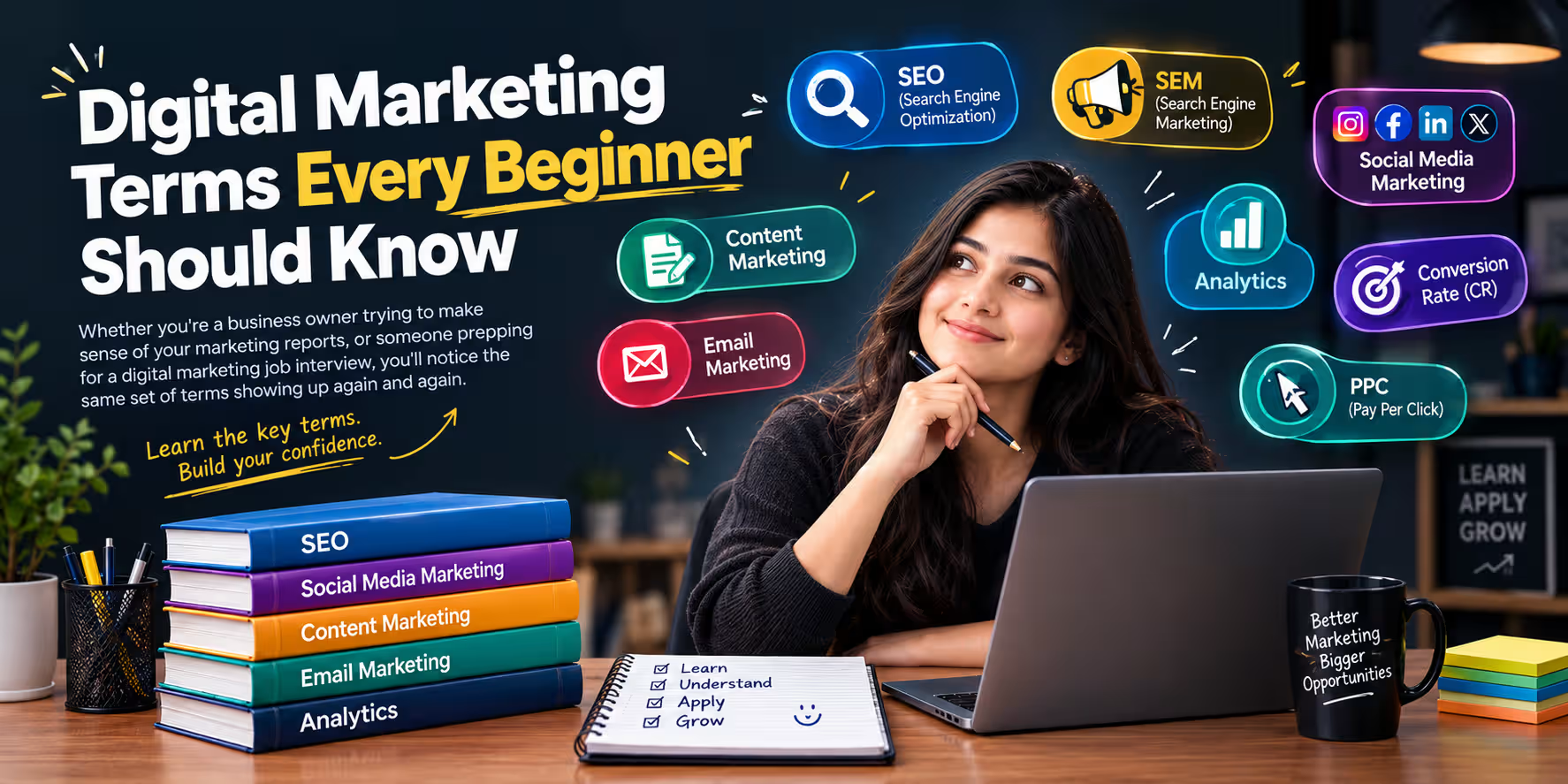
Whether you’re a business owner trying to make sense of your marketing reports, or someone prepping for a digital marketing job interview, you’ll notice the same set of terms showing up again and again in job descriptions, in client meetings, in every course syllabus.
Basically, make sure you’re comfortable with these before you go further, because everything else in digital marketing builds on this vocabulary. Here’s a simple, no-fluff breakdown of the terms you’ll run into most often.
1. SEO (Search Engine Optimization)
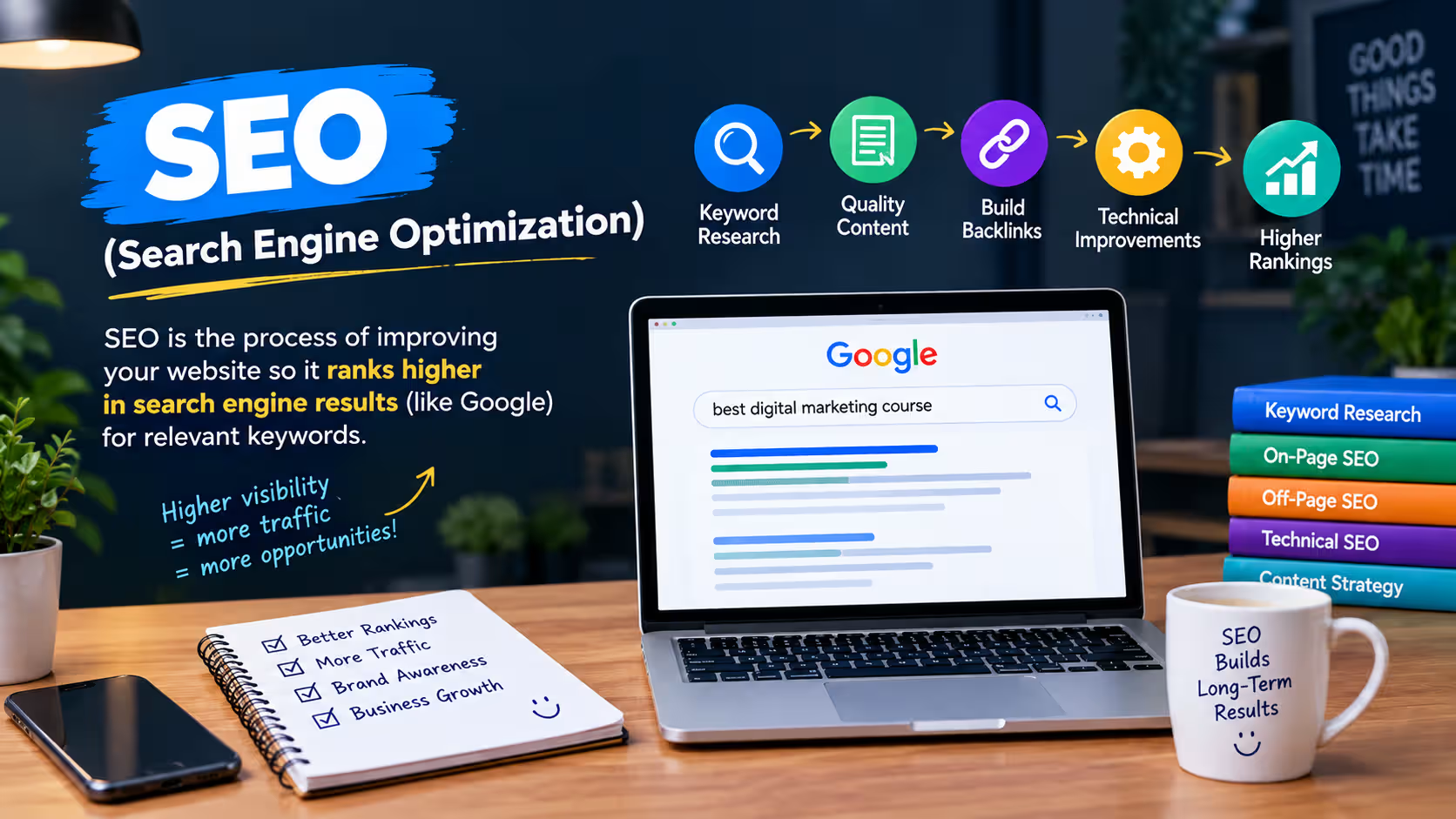
SEO is the practice of improving your website so it shows up higher in Google’s search results when people search for things related to your business. It covers everything from the words (keywords) you use on your pages, to how fast your site loads, to how many other trustworthy websites link back to you.
If you’re just getting oriented, it’s worth reading what SEO actually means before moving on to the more specific terms below.
Local SEO
Local SEO is a specific type of SEO focused on getting your business found by people searching in your area, think “plumber in Mohali” or “cafes near me.” For any business that serves customers in person, local SEO usually matters more than general SEO, because it’s what brings in nearby customers who are ready to visit or buy.
Google Business Profile (GBP)
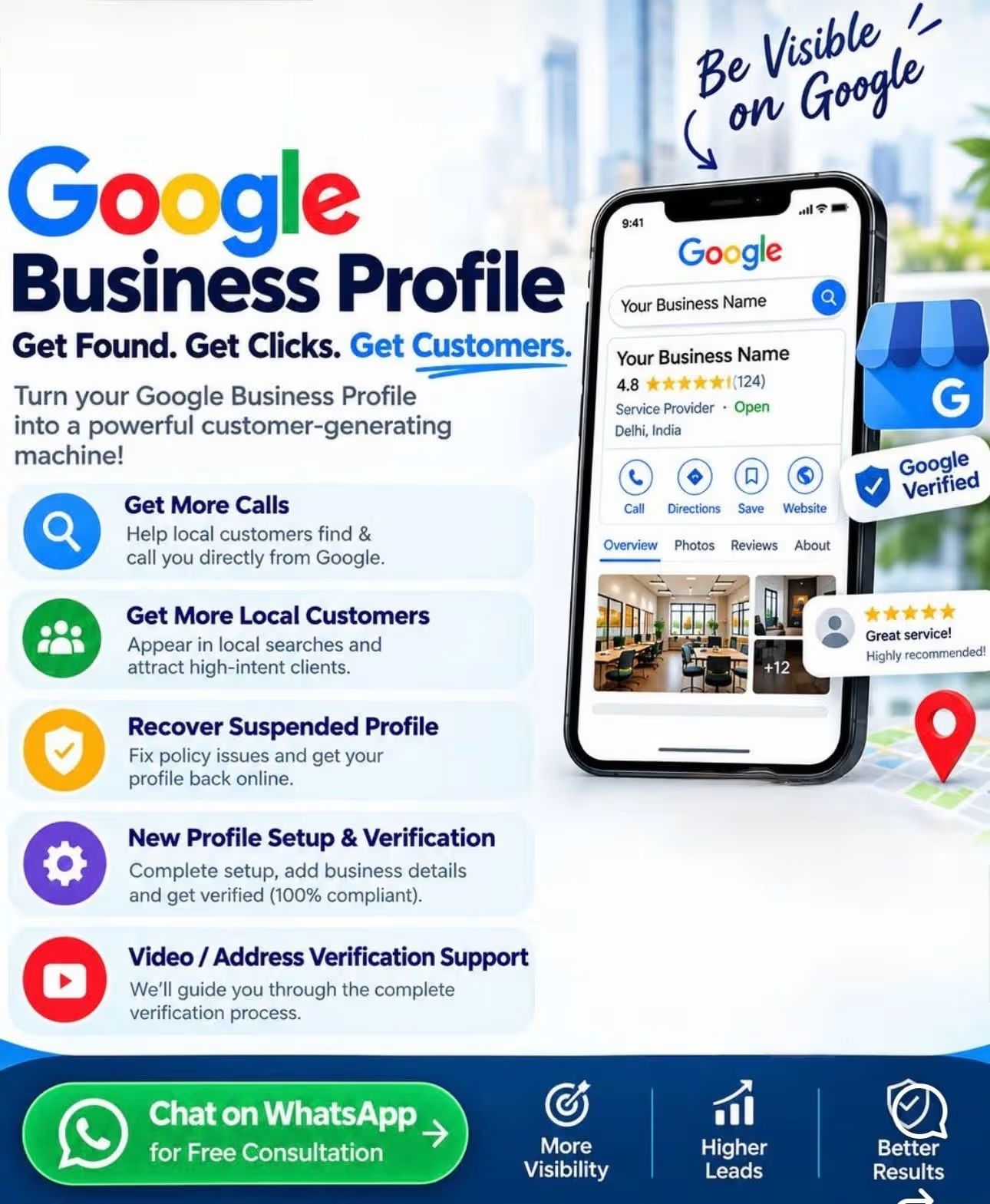
Your Google Business Profile is the free listing that shows your business name, address, phone number, hours, reviews, and photos when people search for you on Google Search or Google Maps. For local businesses, a complete and active Google Business Profile is one of the highest-impact things you can set up.
Keywords
Keywords are the exact words and phrases people type into Google when searching for something. If you run a bakery, your keywords might be “birthday cake shop near me” or “custom cakes in Chandigarh.” Getting comfortable with the full keyword research process for beginners is one of the first practical skills every marketer picks up, since it shapes everything from website content to ad targeting.
Backlinks
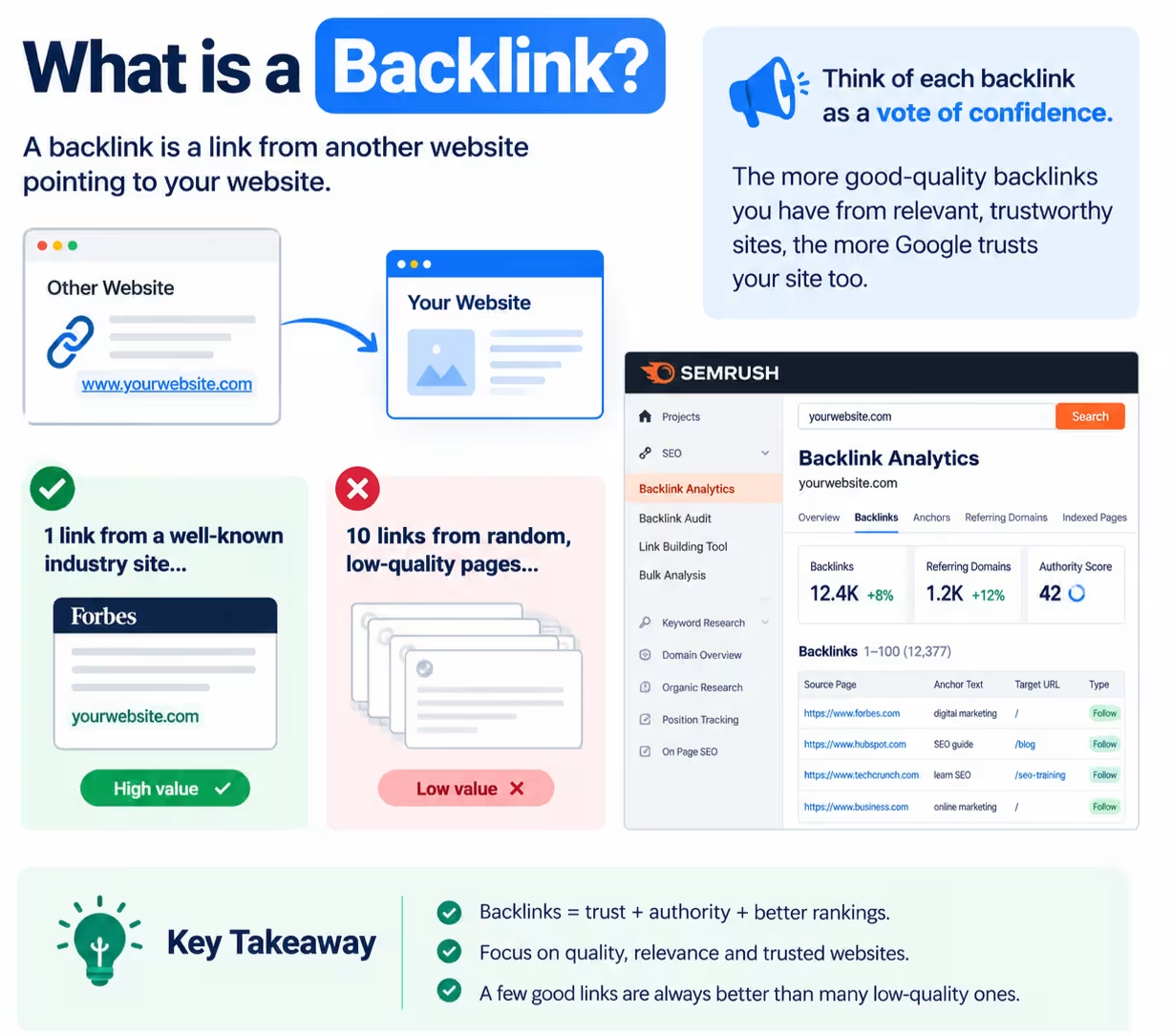
A backlink is a link from another website pointing to your website. Think of each backlink as a vote of confidence: the more good-quality backlinks you have from relevant, trustworthy sites, the more Google trusts your site too. One link from a well-known industry site is worth far more than ten links from random, low-quality pages.
SEM (Search Engine Marketing)
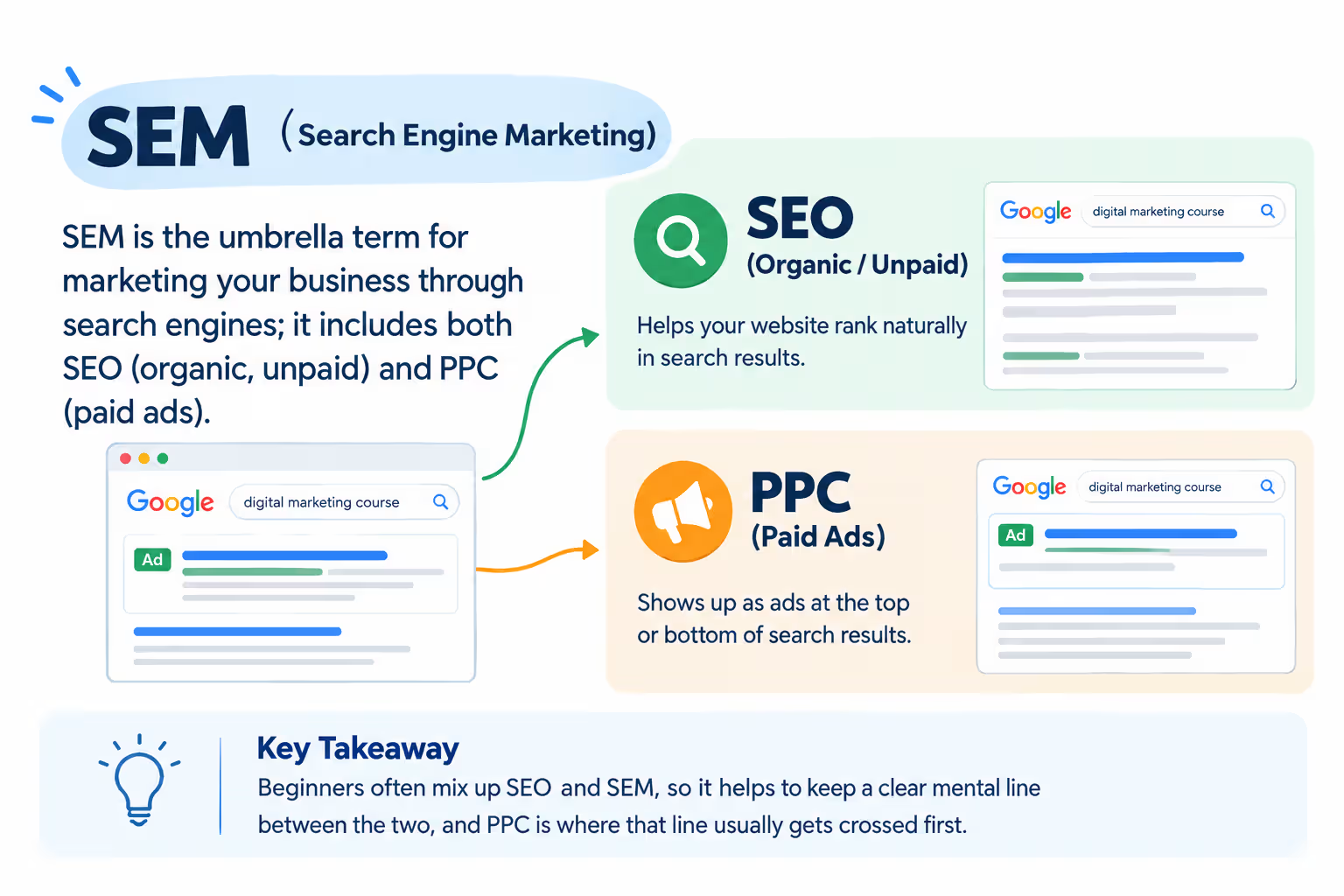
SEM is the umbrella term for marketing your business through search engines; it includes both SEO (organic, unpaid) and PPC (paid ads). Beginners often mix up SEO and SEM, so it helps to keep a clear mental line between the two, and PPC is where that line usually gets crossed first.
PPC (Pay-Per-Click)
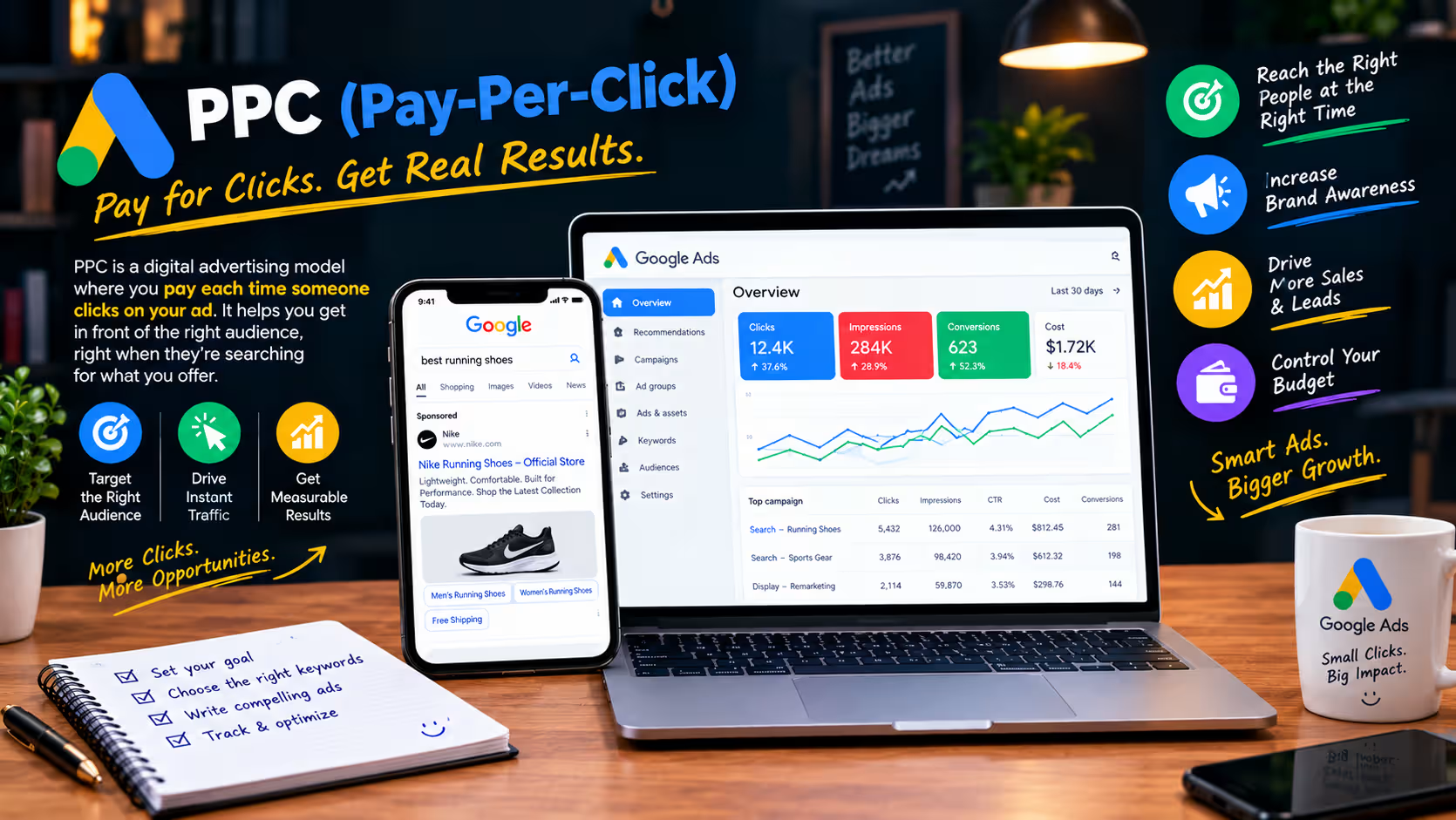
PPC means you pay each time someone clicks on your ad, like the sponsored results you see at the top of Google. It’s a good option when you want quick visibility while your SEO is still building up. If you’re deciding where to put your budget first, this breakdown of whether to invest in PPC or SEO walks through the trade-offs.
CTR (Click-Through Rate)
CTR tells you what percentage of people who saw your website link, ad, or listing actually clicked on it. If 100 people see your page in search results and 5 click through, your CTR is 5%. A low CTR usually means your title or description isn’t convincing enough, even if you’re ranking well.
Domain Authority (DA)
Domain Authority is a score (created by the SEO tool Moz, not Google itself) that predicts how likely a website is to rank well, based mainly on its backlink profile. It’s not a Google ranking factor directly, but it’s a handy shortcut marketers use to judge a site’s overall strength. This domain authority guide for beginners is worth bookmarking the first time a client or interviewer asks about it.
Technical SEO
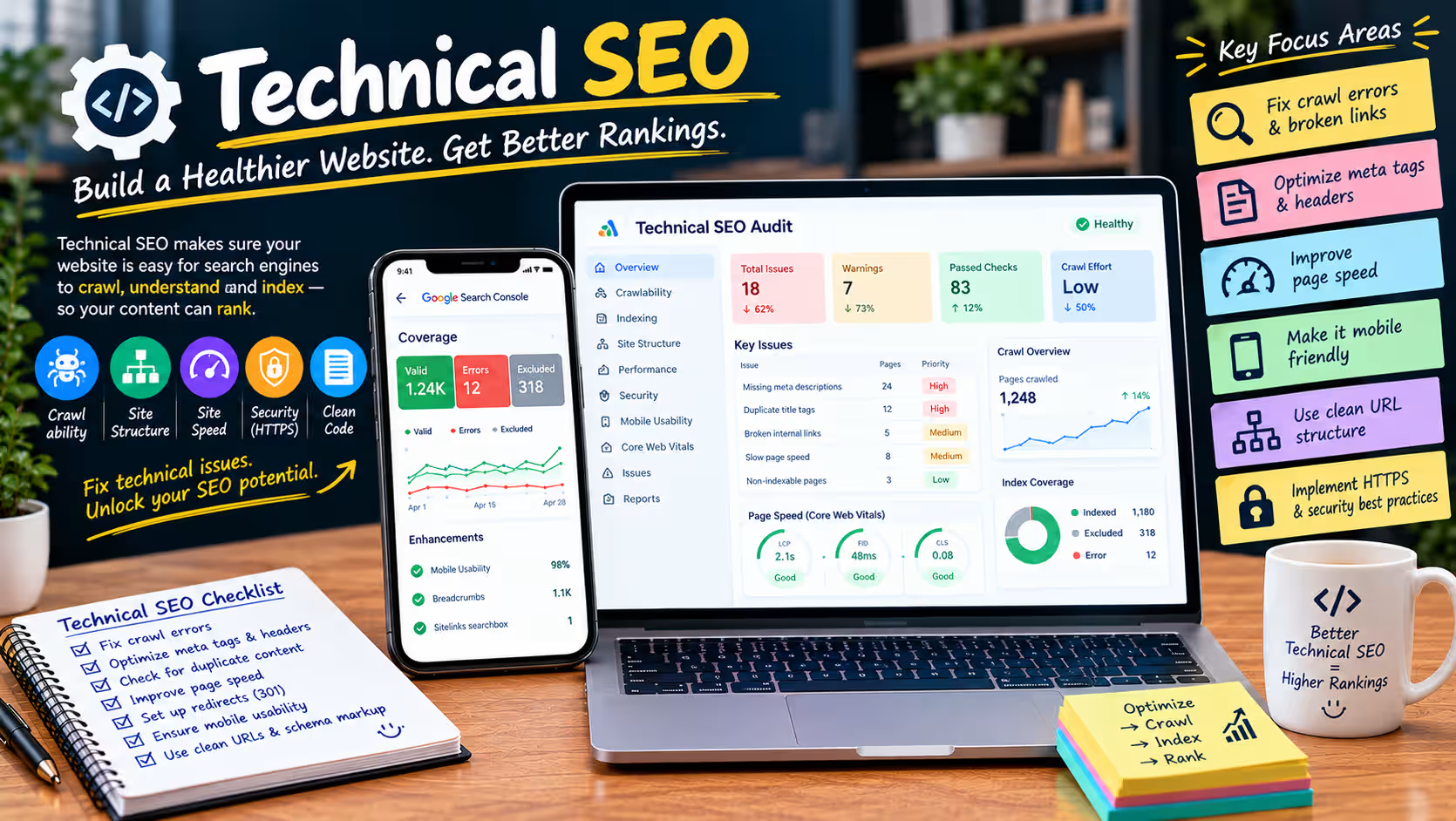
Technical SEO covers the behind-the-scenes work that helps Google crawl, understand, and index your website properly site speed, mobile-friendliness, broken links, and site structure all fall under this bucket. It doesn’t get as much attention as content or keywords, but a technically broken site can undo all your other SEO work.
On-Page SEO
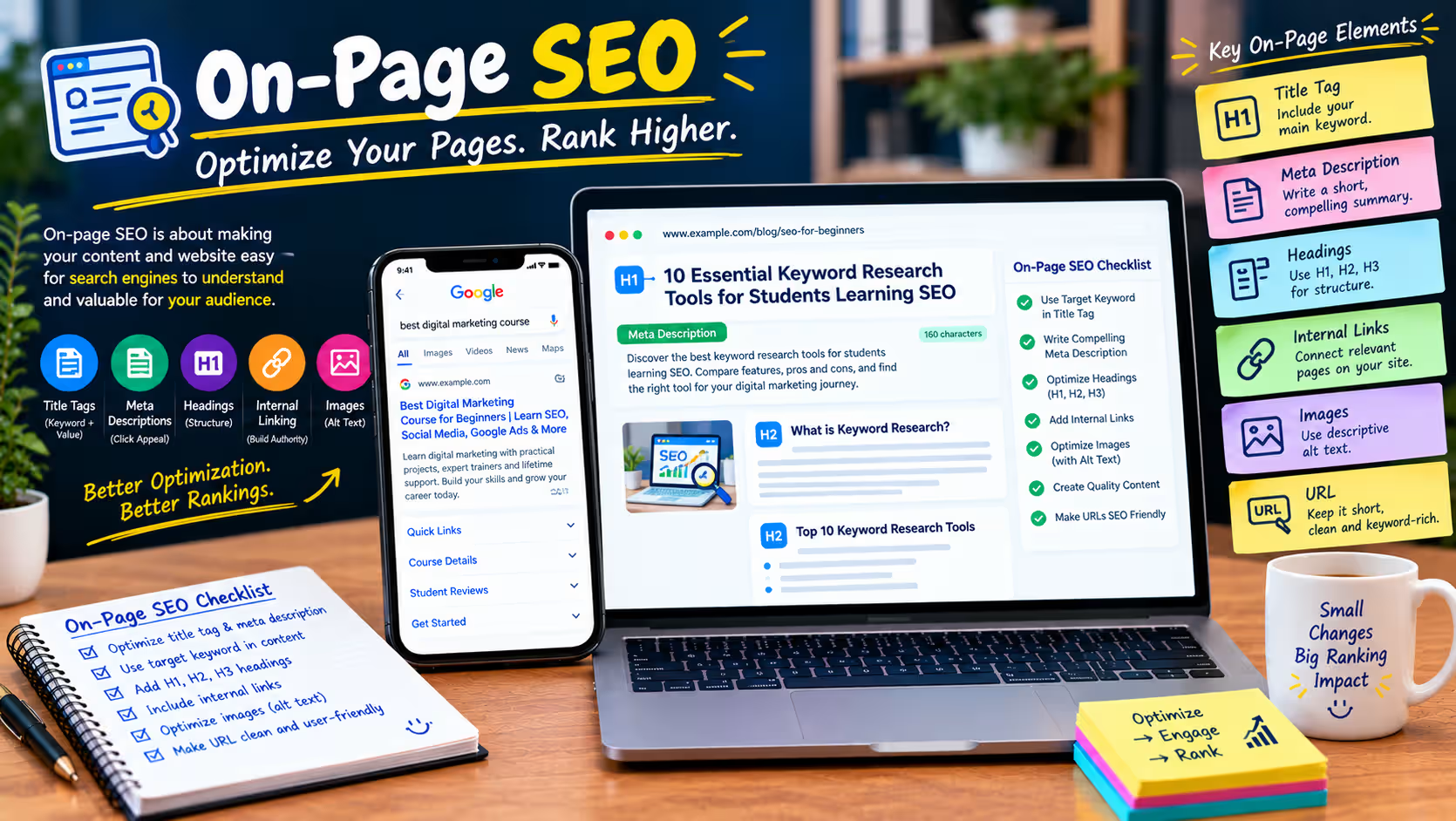
On-page SEO is everything you optimize directly on your website’s pages — titles, headings, image alt text, internal links, and content quality. It’s usually the first area beginners are asked to audit, so having a working on-page SEO checklist on hand makes that job a lot easier.
Off-Page SEO
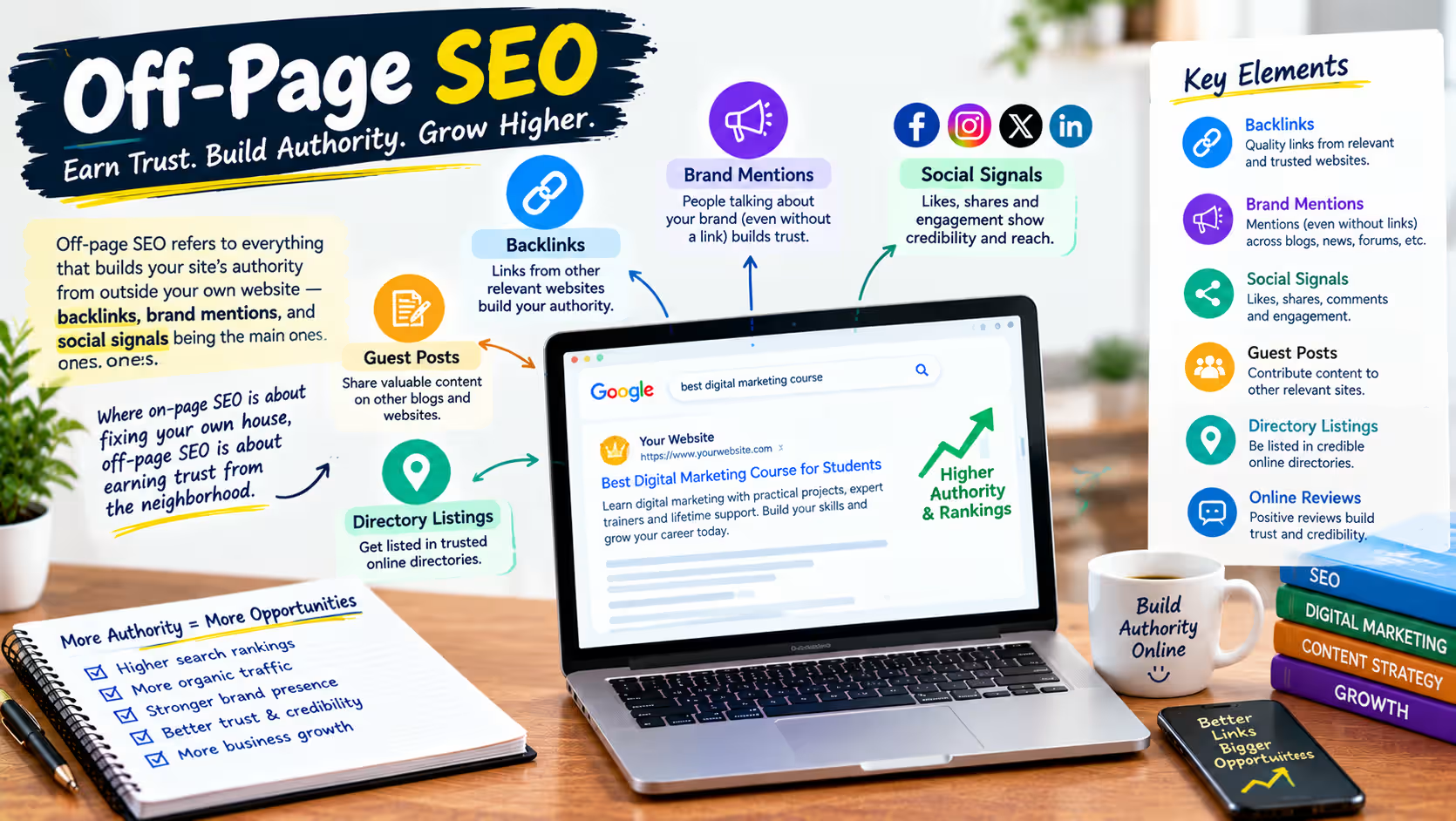
Off-page SEO refers to everything that builds your site’s authority from outside your own website — backlinks, brand mentions, and social signals being the main ones. Where on-page SEO is about fixing your own house, off-page SEO is about earning trust from the neighborhood.
Conversion Rate
A conversion happens whenever a visitor takes the action you want — filling out a form, calling your business, or making a purchase. Conversion rate is the percentage of visitors who actually convert. You can get plenty of traffic to your website, but if that traffic isn’t converting, something in the funnel needs fixing which is exactly why tracking marketing metrics every beginner should know matters from day one.
Bounce Rate
Bounce rate is the percentage of visitors who land on your website and leave without clicking anything else. A high bounce rate can mean your page took too long to load, wasn’t relevant to what they searched for, or didn’t clearly explain what you offer.
Landing Page
A landing page is a standalone webpage built for one specific goal, usually connected to an ad or campaign. Unlike your homepage, which covers everything about your business, a landing page focuses on one offer. If you’ve ever wondered why a landing page matters more than just sending traffic to your homepage, this is the term that explains it.
CTA (Call to Action)
A CTA is the instruction you give visitors telling them what to do next “Book Now,” “Get a Free Quote,” “Call Today.” Every page on your website should have a clear CTA, because visitors rarely take action on their own if you don’t ask directly.
Content Marketing
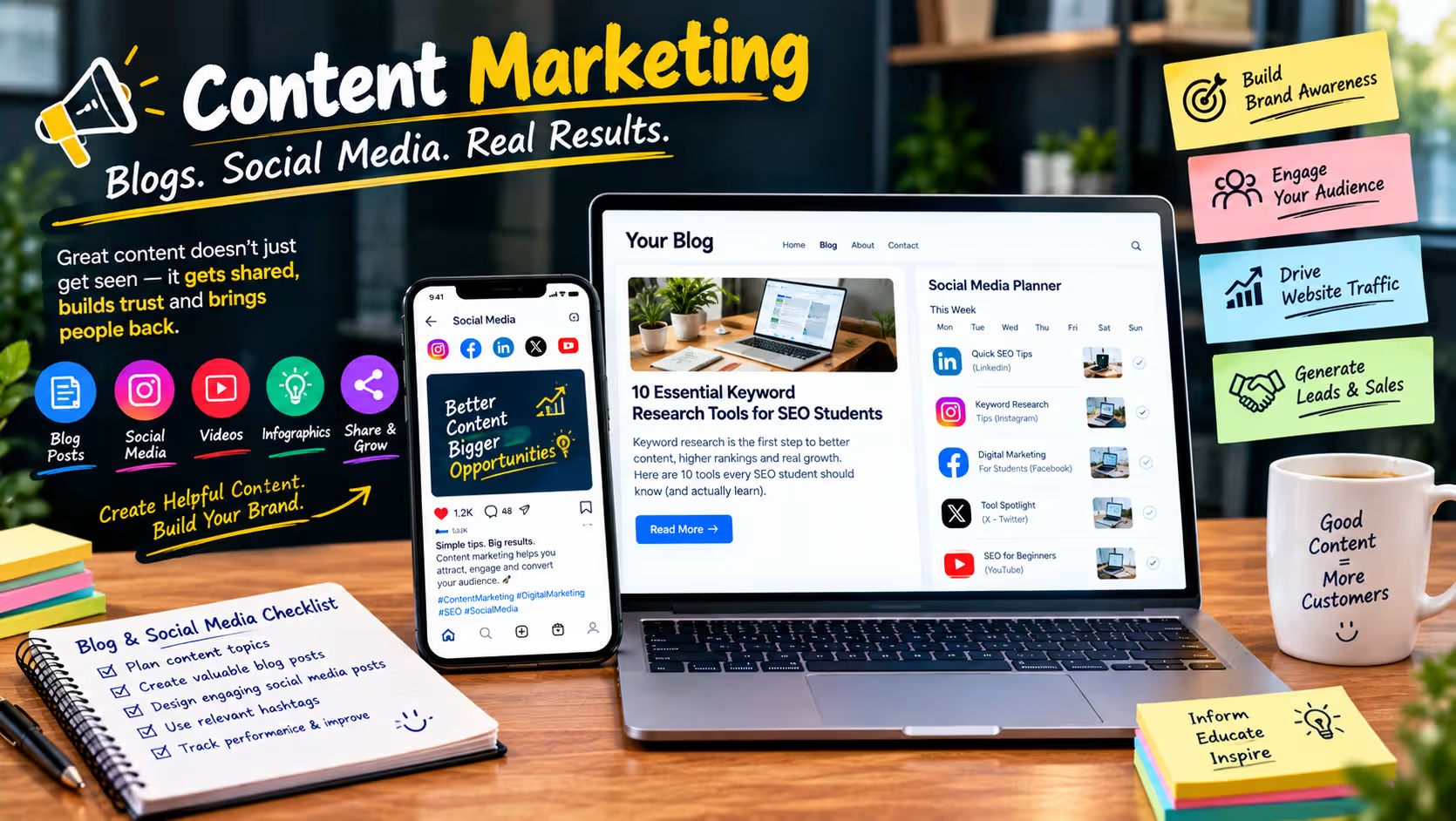
Content marketing means creating useful content — blog posts, videos, guides — to attract and engage your audience, rather than directly advertising to them. A plumber writing a blog post on “5 signs you need a water heater repair” is content marketing in action.
Google Analytics & Google Search Console
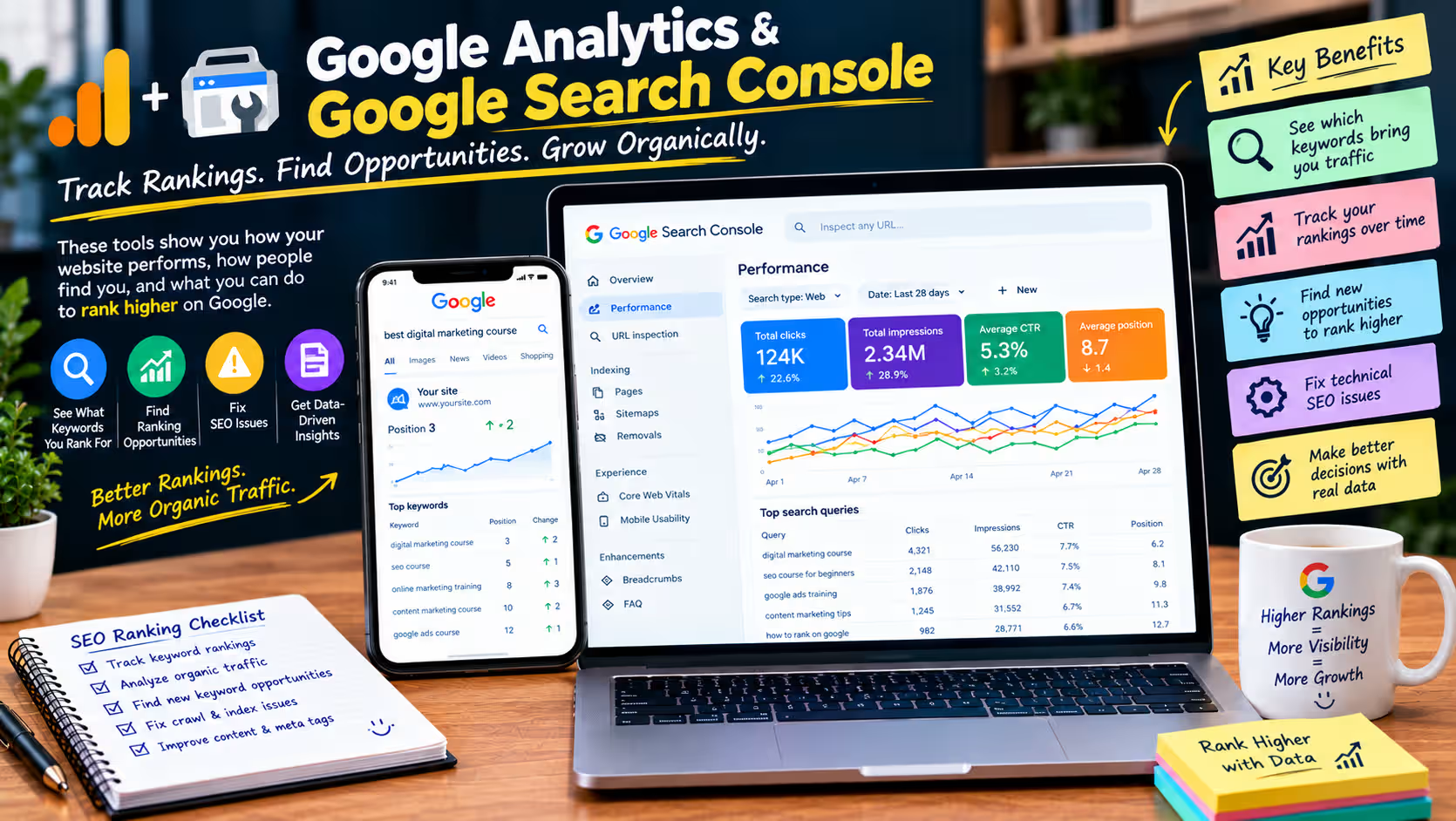
Google Analytics shows you how people behave on your website — visitor numbers, top pages, and time on site. Google Search Console shows you how your site performs specifically in Google Search — which keywords bring in traffic and your CTR. Together, learning to read Google Analytics 4 for marketers alongside Search Console is one of the most requested skills in entry-level digital marketing roles.
Social Media Marketing
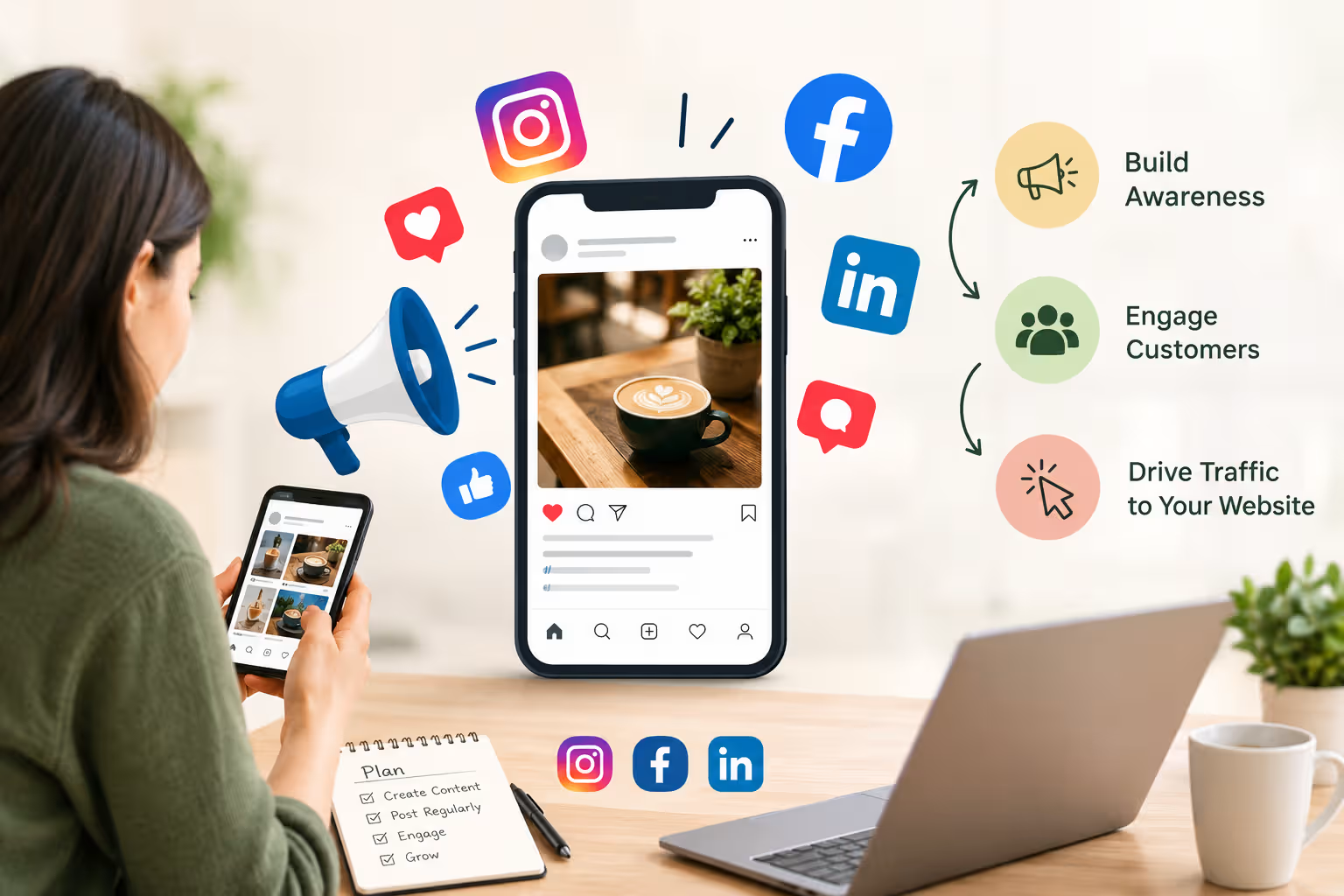
Social media marketing is promoting your business on platforms like Instagram, Facebook, or LinkedIn to build awareness, engage customers, and drive traffic back to your website. It works best when it’s consistent, rather than the occasional random post.
Email Marketing
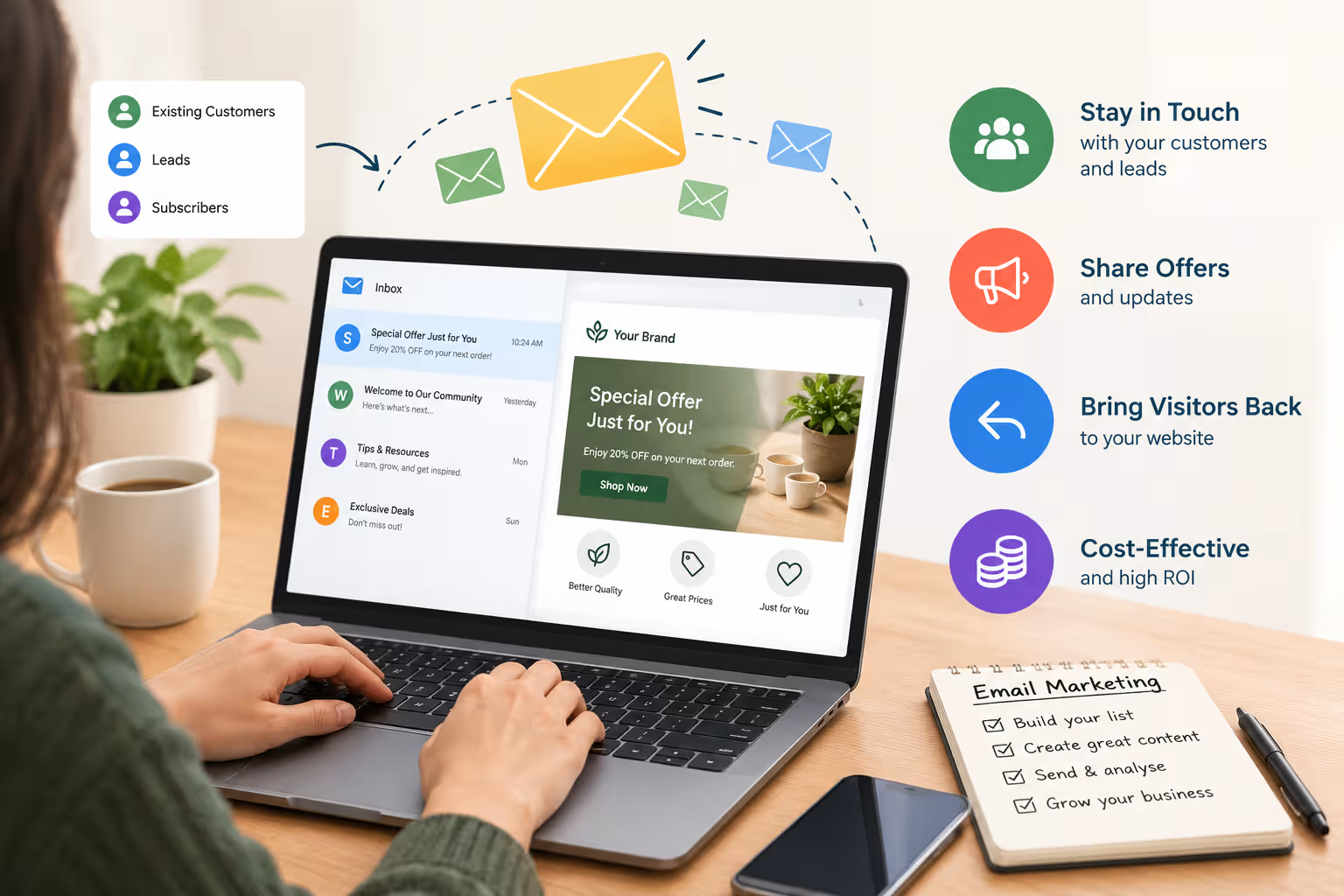
Email marketing means sending emails to your existing customers or leads to stay in touch, share offers, or bring them back to your website. It’s one of the most cost-effective channels, and this complete email marketing guide is a good next stop if you want to go deeper.
You don’t need to master every term overnight. Get comfortable with these twenty first, and the rest of the vocabulary you’ll see in job postings or client conversations starts falling into place a lot faster. If you want to see how all of this fits together across the full marketing mix, the different digital marketing channels explained is a natural next read.
And if you’d rather learn these concepts hands-on instead of piecing them together from blog posts, that’s exactly what our digital marketing course in Mohali is built for real tools, real campaigns, and practical training that goes well beyond just knowing the terms.
Frequently Asked Questions (FAQs)
What is SEO in digital marketing?
SEO (Search Engine Optimization) is the practice of improving a website so it ranks higher in organic search results (like Google) for relevant keywords. It covers keyword research, site speed, content quality, and backlinks all factors search engines evaluate to determine rank.
What is the difference between SEO and SEM?
SEM (Search Engine Marketing) is an umbrella term for marketing through search engines, which includes both SEO (organic, unpaid) and PPC (paid ads). SEO builds free rankings naturally over time, while SEM encompasses paying for immediate search result visibility.
What is the difference between SEO and PPC?
SEO focuses on building long-term organic rankings without paying per click. PPC (Pay-Per-Click) requires paying each time a user clicks on an ad, providing instant traffic and visibility while organic SEO builds up.
What is a backlink and why does it matter?
A backlink is a link from an external website pointing to your site. Search engines treat backlinks as votes of confidence; a single link from a well-known, high-authority site provides far more value than multiple links from low-quality sites.
What is the difference between On-Page, Off-Page, and Technical SEO?
On-Page SEO: Optimizing content directly on your site, such as title tags, headings (H1, H2), image alt text, and internal links.
Off-Page SEO: Building authority from outside your site through backlinks, brand mentions, and social signals.
Technical SEO: Behind-the-scenes optimizations like page speed, mobile usability, site structure, and fixing crawl errors so search engines can index your site properly.
What is the difference between Google Analytics and Google Search Console?
Google Analytics: Tracks user behavior on your site (total visitors, top pages, time spent).
Google Search Console: Tracks site performance in Google Search (which keywords bring traffic, impressions, and CTR).
What is the difference between a landing page and a homepage?
A homepage provides a broad overview of an entire business. A landing page is a standalone page built for one specific campaign or offer, designed to drive conversions by guiding visitors toward a single Call to Action (CTA).