
Beginner Local SEO interview questions typically start with the basics: what Local SEO is, how it differs from national SEO, the role of Google Business Profile, NAP consistency, the Local 3-Pack, and core ranking factors like proximity, reviews, and citations.
A second group covers optimization tactics – choosing the right GBP categories, building local landing pages, using schema markup, optimizing for “near me” searches, and setting up profiles correctly for service-area businesses.
The last group is scenario-based, testing real-world thinking: which tools to use (BrightLocal, Moz Local, Search Console), how to measure performance, handling duplicate GBP listings, and diagnosing a sudden ranking drop.
In this guide, we’ve compiled the 20 most commonly asked Local SEO Interview Questions with beginner-friendly answers, practical examples, and interview tips. If you’re learning SEO through our SEO Training Course or pursuing the Diploma in Digital Marketing, these questions will help you build confidence before your interview. You can also explore more free learning resources on the Digital Discovery Institute Blog.
Table of Contents
- 1. What is Local SEO?
- 2. How is Local SEO different from Organic/National SEO?
- 3. What is Google Business Profile (GBP)?
- 4. What are the top ranking factors for Local SEO?
- 5. What is the Google Local 3-Pack?
- 6. What is NAP consistency and why does it matter?
- 7. What are citations in Local SEO?
- 8. What's the difference between structured and unstructured citations?
- 9. How do online reviews impact Local SEO?
- 10. What is a Google Business Profile category, and why is it important?
- 11. What are local landing pages, and when should a business use them?
- 12. What is schema markup, and how does it help Local SEO?
- 13. How do you optimize a website for "near me" searches?
- 14. What is a service area business (SAB), and how do you optimize its GBP?
- 15. What tools do you use for Local SEO?
- 16. How do you track and measure Local SEO performance?
- 17. What is proximity in Local SEO ranking?
- 18. What are Google Posts, and how can they help Local SEO?
- 19. How would you handle duplicate Google Business Profile listings?
- 20. What would you do first if a client's rankings suddenly dropped?
1. What is Local SEO?
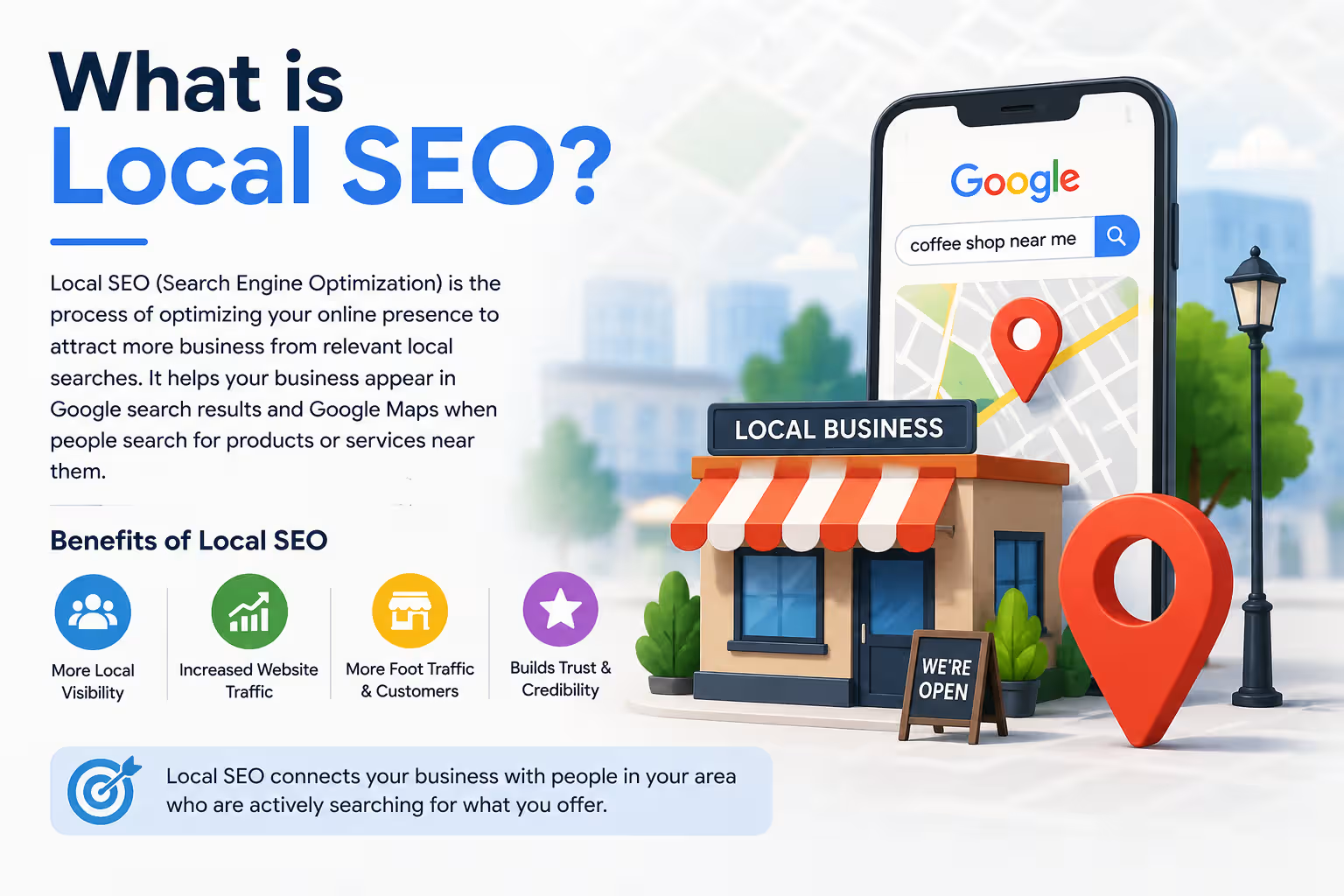
Local SEO is the practice of optimizing a business’s online presence so it ranks well in search results for location-based queries – like “plumber in Chicago” or “coffee shop near me.” It focuses on visibility in Google Maps, the Local Pack, and localized organic results.
What interviewers want to hear: A clear definition plus an example of who benefits most (brick-and-mortar stores, service-area businesses, multi-location brands).
2. How is Local SEO different from Organic/National SEO?
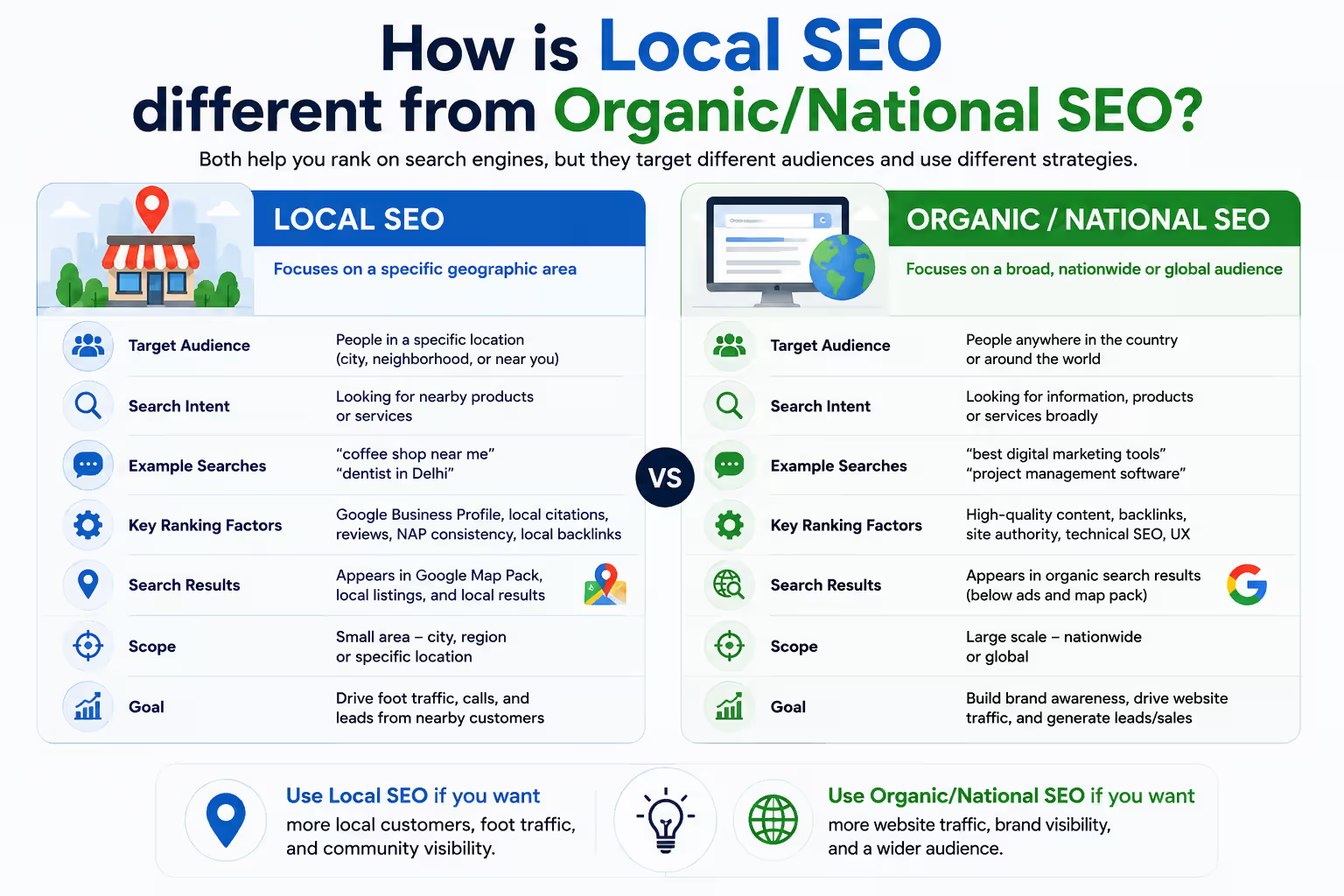
Local SEO targets geographically-bound searches and relies heavily on signals like Google Business Profile, citations, and reviews. National/organic SEO focuses on ranking broadly for keywords regardless of location, relying more on content depth, backlinks, and domain authority.
Tip: Mention that a business can (and often should) do both simultaneously.
3. What is Google Business Profile (GBP)?
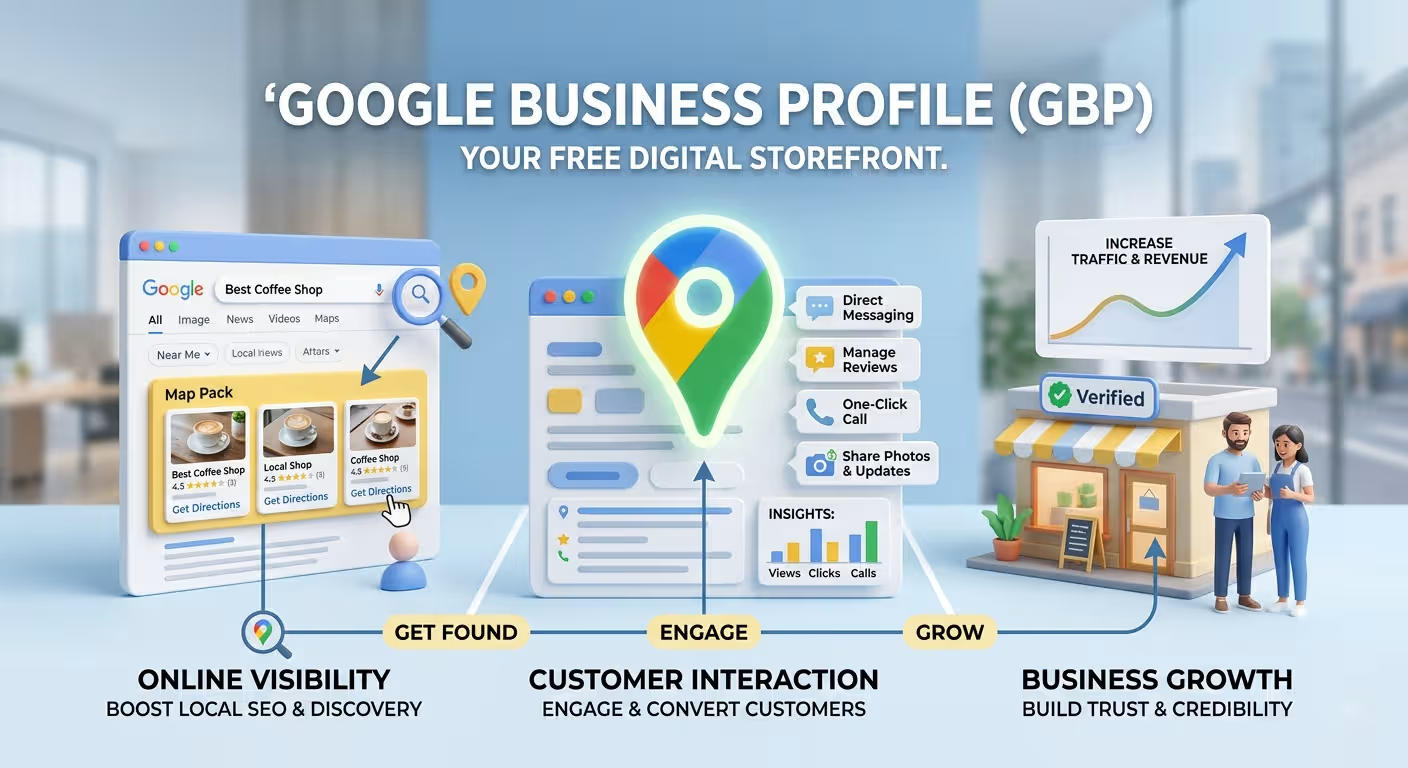
GBP (formerly Google My Business) is a free tool that lets businesses manage how they appear on Google Search and Maps – including business name, address, phone number, hours, photos, reviews, and posts.
Tip: Be ready to describe the verification process and common profile fields.
4. What are the top ranking factors for Local SEO?
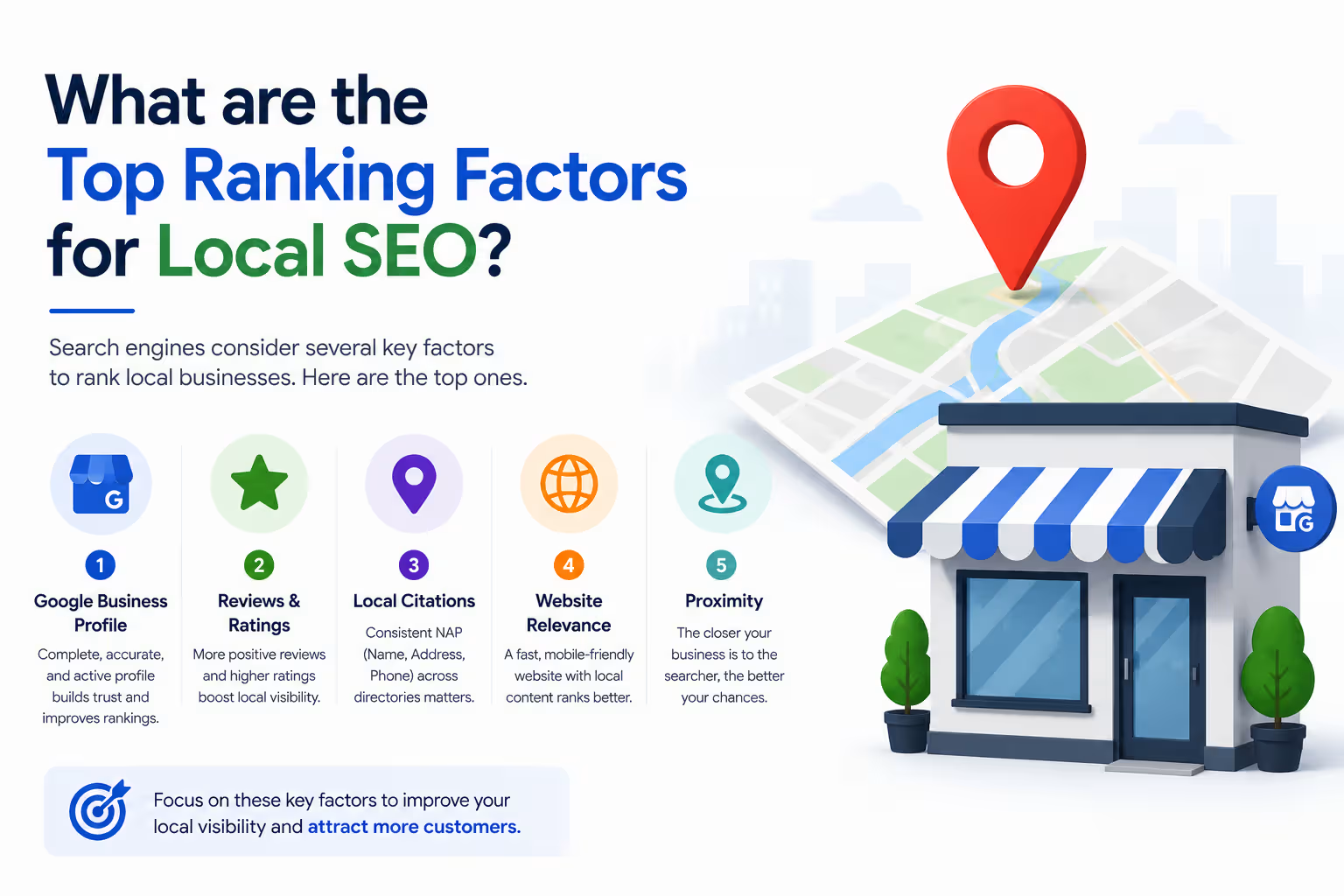
Commonly cited factors include:
- Google Business Profile signals (categories, completeness, engagement)
- Reviews (quantity, quality, recency, responses)
- Proximity to the searcher
- On-page signals (NAP, location keywords, schema)
- Citations and link signals
- Behavioral signals (clicks, calls, direction requests)
Tip: Reference Moz’s or Whitespark’s annual Local Search Ranking Factors survey if you know it – shows you follow industry research.
Here you can learn complete guide on local seo: Complete Local SEO Guide: Beginner to Advanced
5. What is the Google Local 3-Pack?
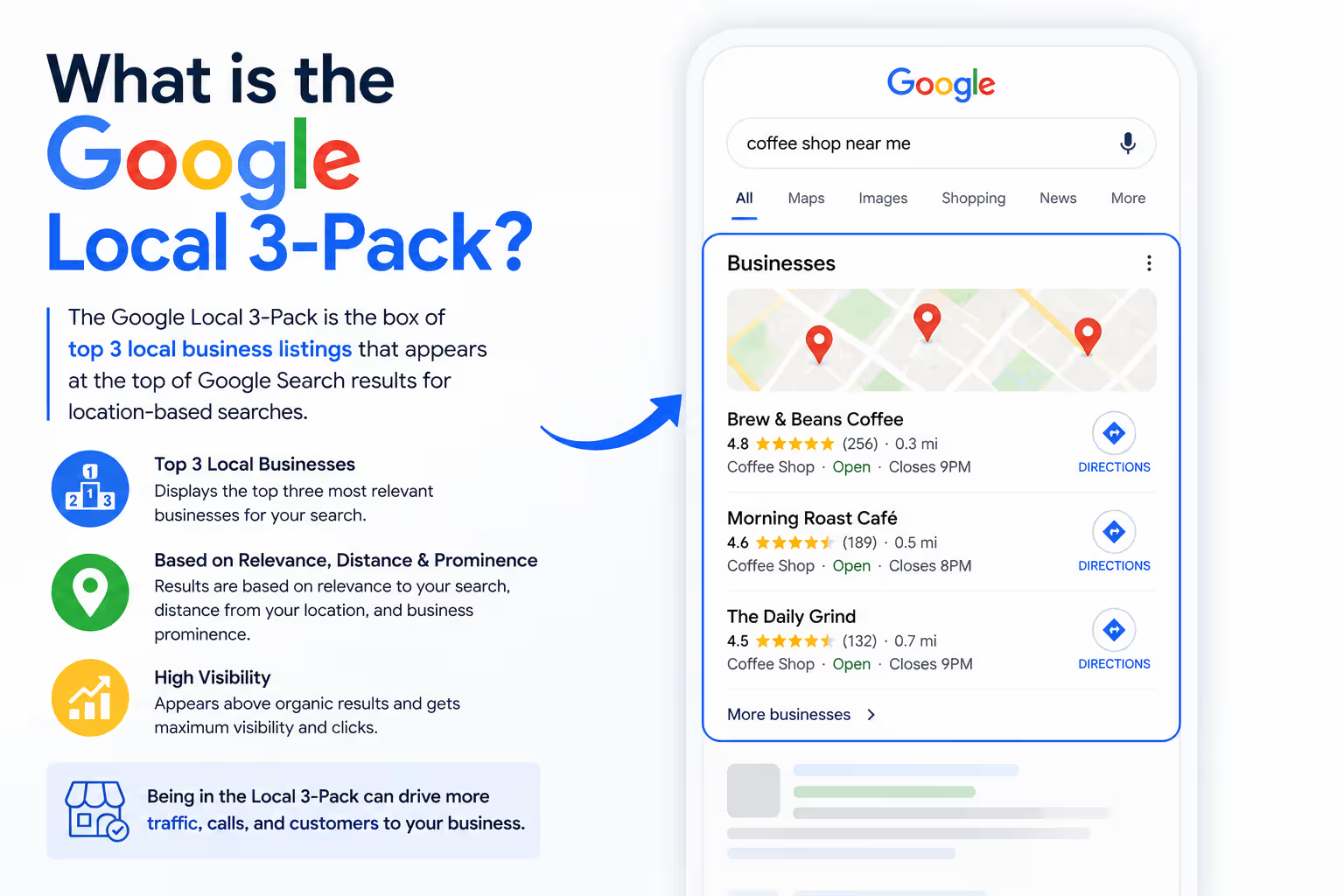
The Local 3-Pack is the box of three business listings (with map, ratings, and contact info) that appears at the top of Google search results for local queries, above the organic listings.
6. What is NAP consistency and why does it matter?
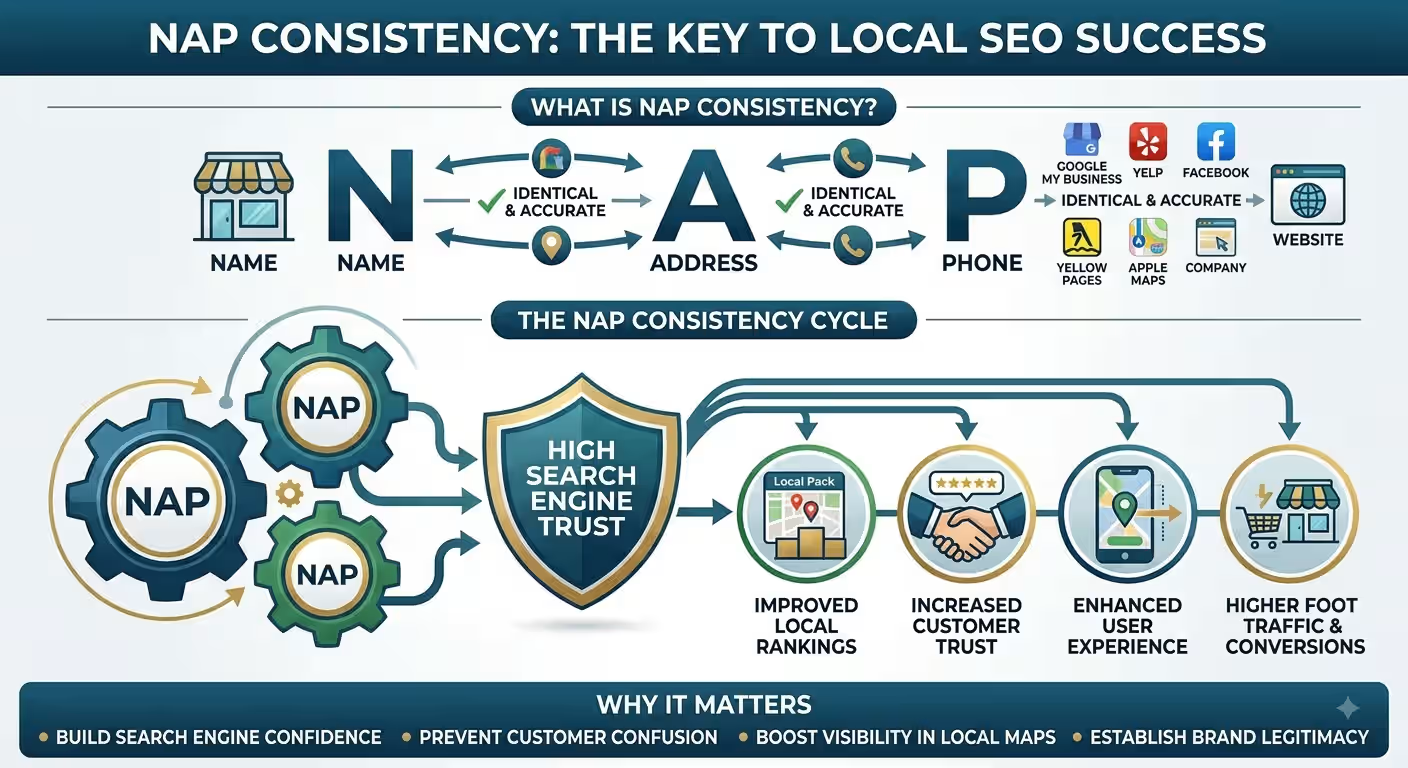
NAP stands for Name, Address, and Phone number. Consistency means this information matches exactly across the website, GBP, and all citation sources. Inconsistent NAP confuses search engines and can hurt trust and rankings.
7. What are citations in Local SEO?
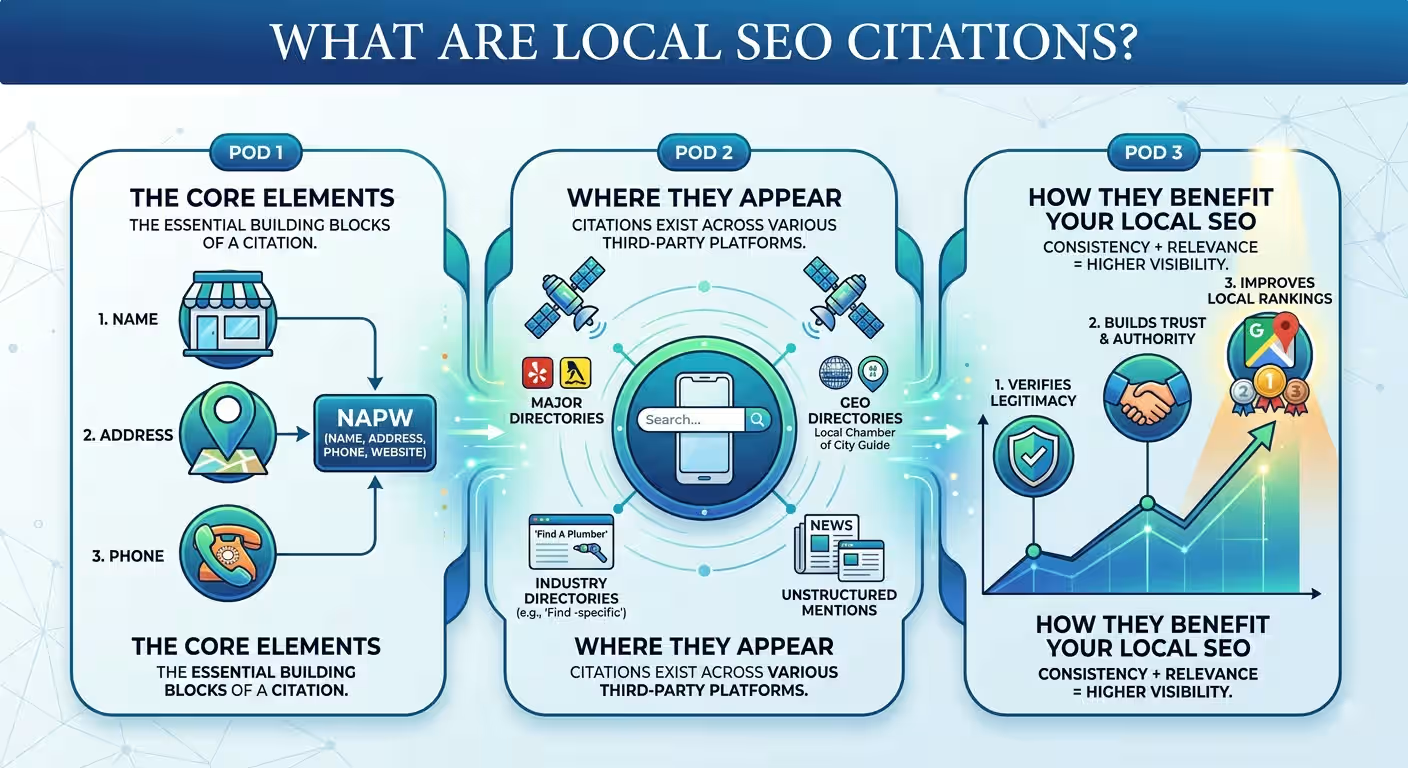
A citation is any online mention of a business’s NAP, whether or not it includes a link — typically found on directories like Yelp, Yellow Pages, or industry-specific listing sites.
8. What's the difference between structured and unstructured citations?
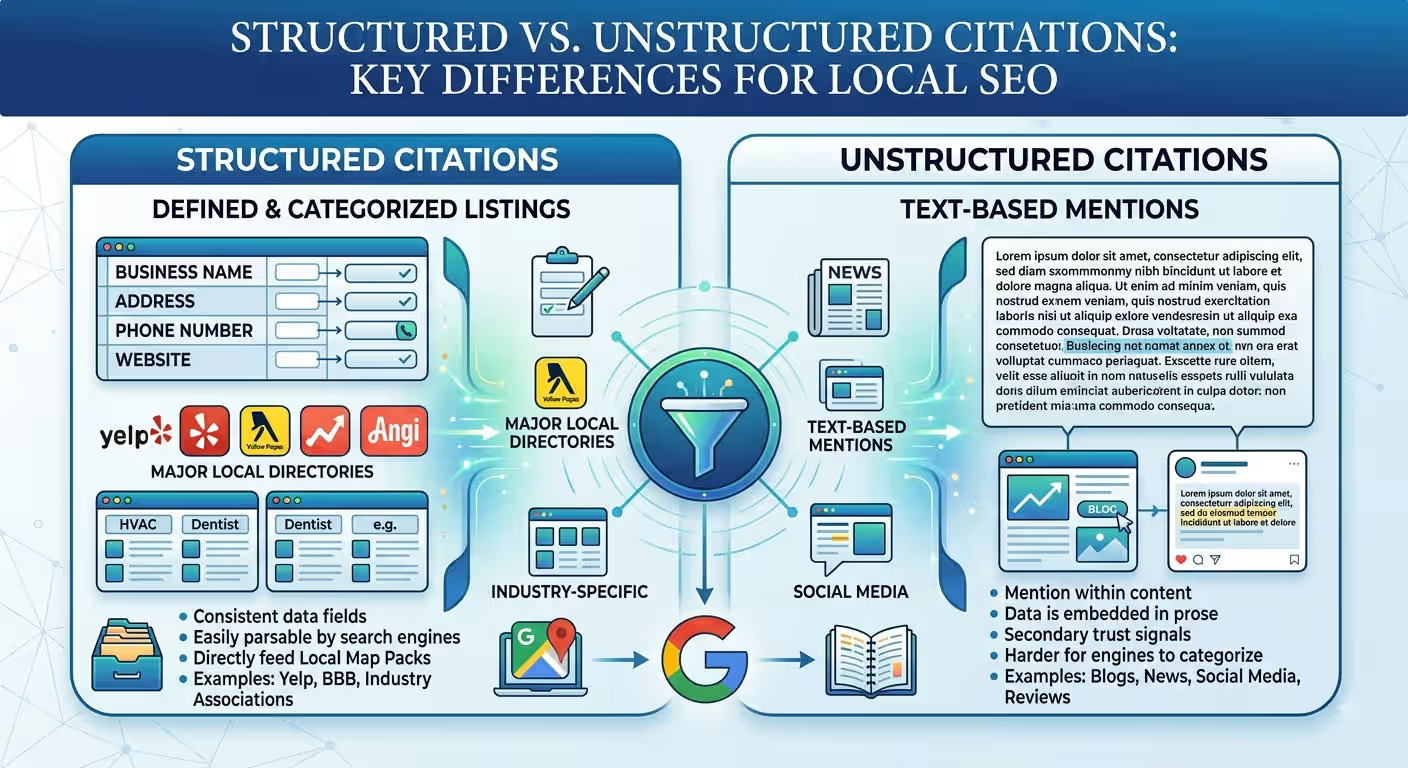
- Structured citations appear in a fixed directory format (e.g., Yelp, Bing Places).
- Unstructured citations appear in free-form content like blog posts, news articles, or social mentions.
9. How do online reviews impact Local SEO?
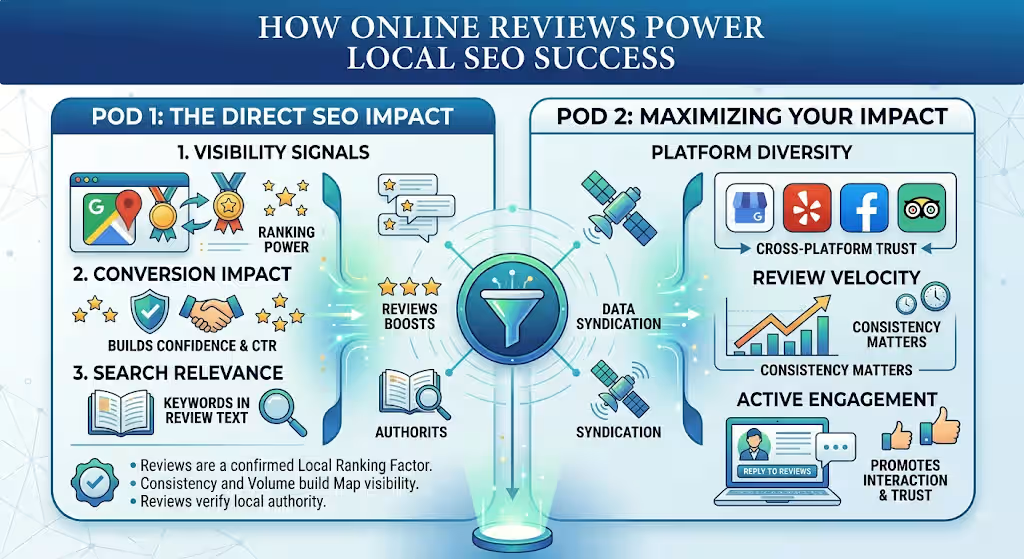
Reviews influence rankings (as a trust/relevance signal) and conversion rates. Factors that matter include review volume, average rating, recency, diversity of sources, and whether the business responds to reviews.
10. What is a Google Business Profile category, and why is it important?
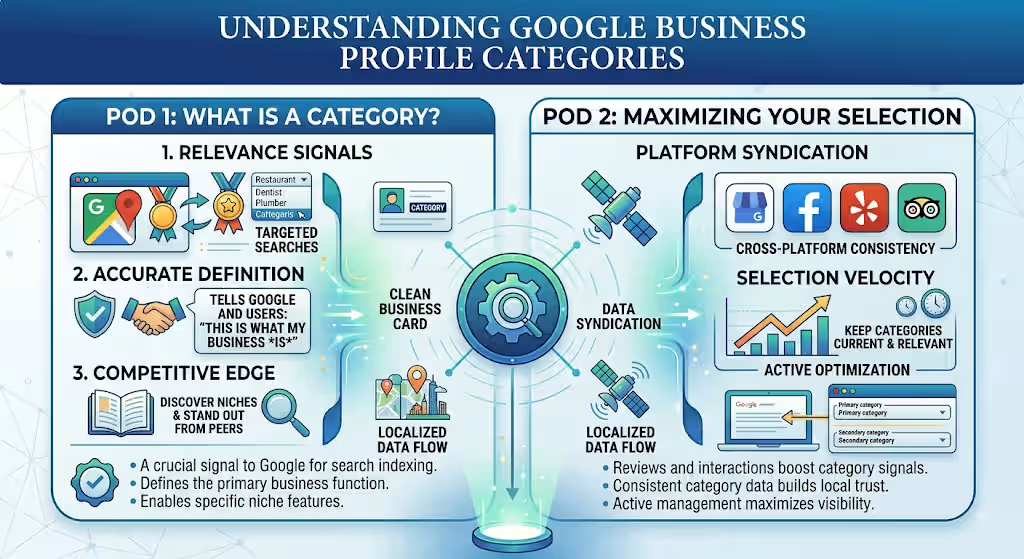
Categories tell Google what type of business you are (e.g., “Italian Restaurant” vs. “Restaurant”), directly affecting which searches you’re eligible to rank for. Choosing the most accurate primary category, plus relevant secondary categories, is a core optimization step.
11. What are local landing pages, and when should a business use them?
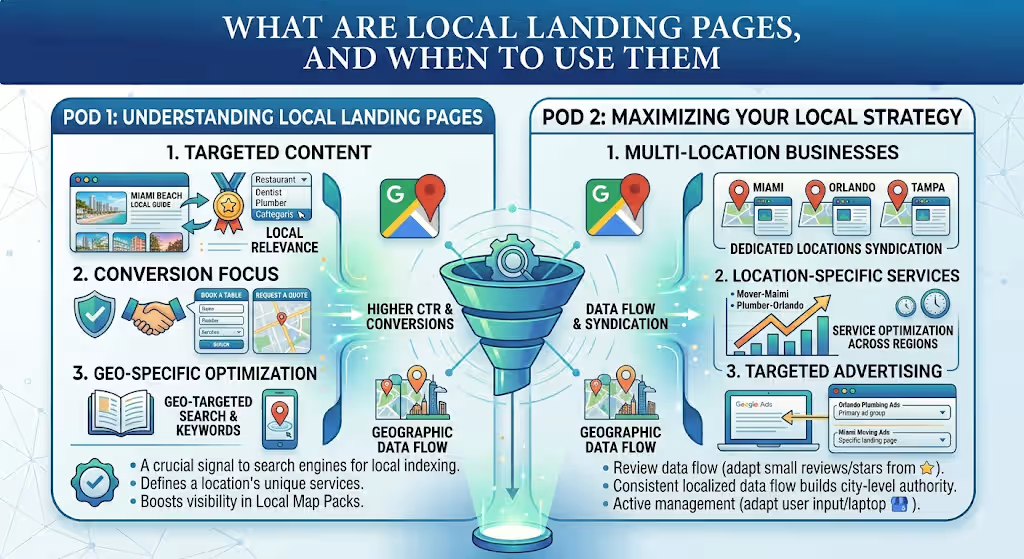
Local landing pages are individual pages optimized for a specific city, neighborhood, or service area — commonly used by multi-location businesses or service-area businesses that serve several regions from one office.
Tip: Mention the need for unique, non-duplicated content per page to avoid thin/duplicate content issues.
12. What is schema markup, and how does it help Local SEO?
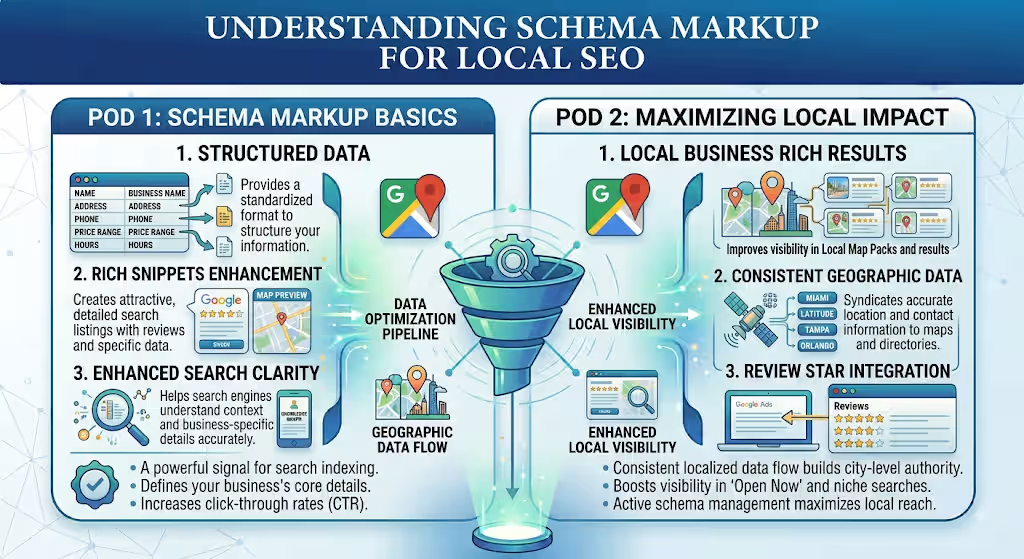
Schema markup (structured data) is code added to a website that helps search engines understand business details like address, hours, and reviews. LocalBusiness schema can enhance how listings appear in search results (e.g., rich snippets).
13. How do you optimize a website for "near me" searches?
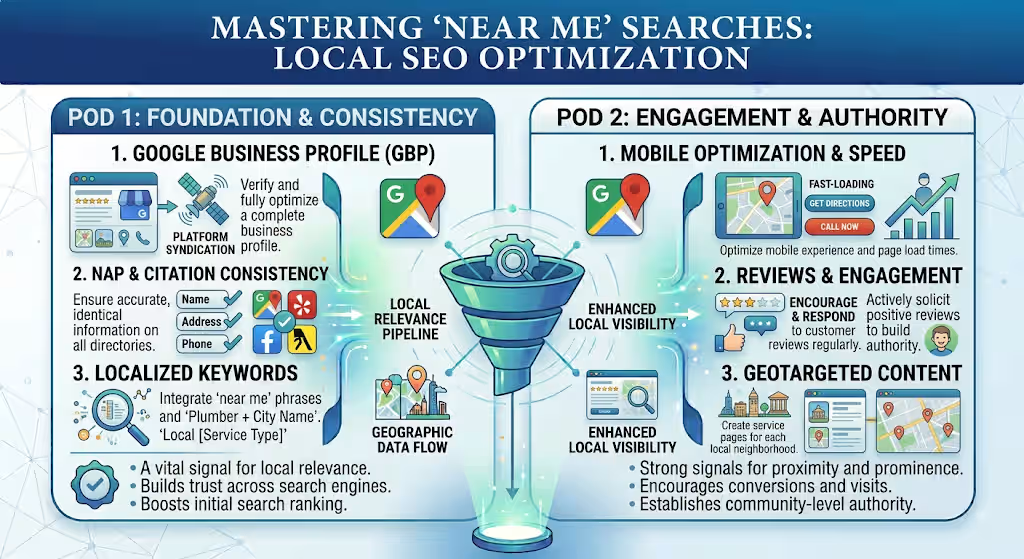
Key tactics include:
- Ensuring mobile-friendliness and fast load times
- Including location-specific keywords naturally in content, titles, and meta descriptions
- Keeping GBP fully optimized and accurate
- Building local citations and backlinks
- Using schema markup
Tip: Note that Google infers “near me” intent automatically based on the searcher’s location – you don’t need to literally include the phrase “near me” on the page.
14. What is a service area business (SAB), and how do you optimize its GBP?
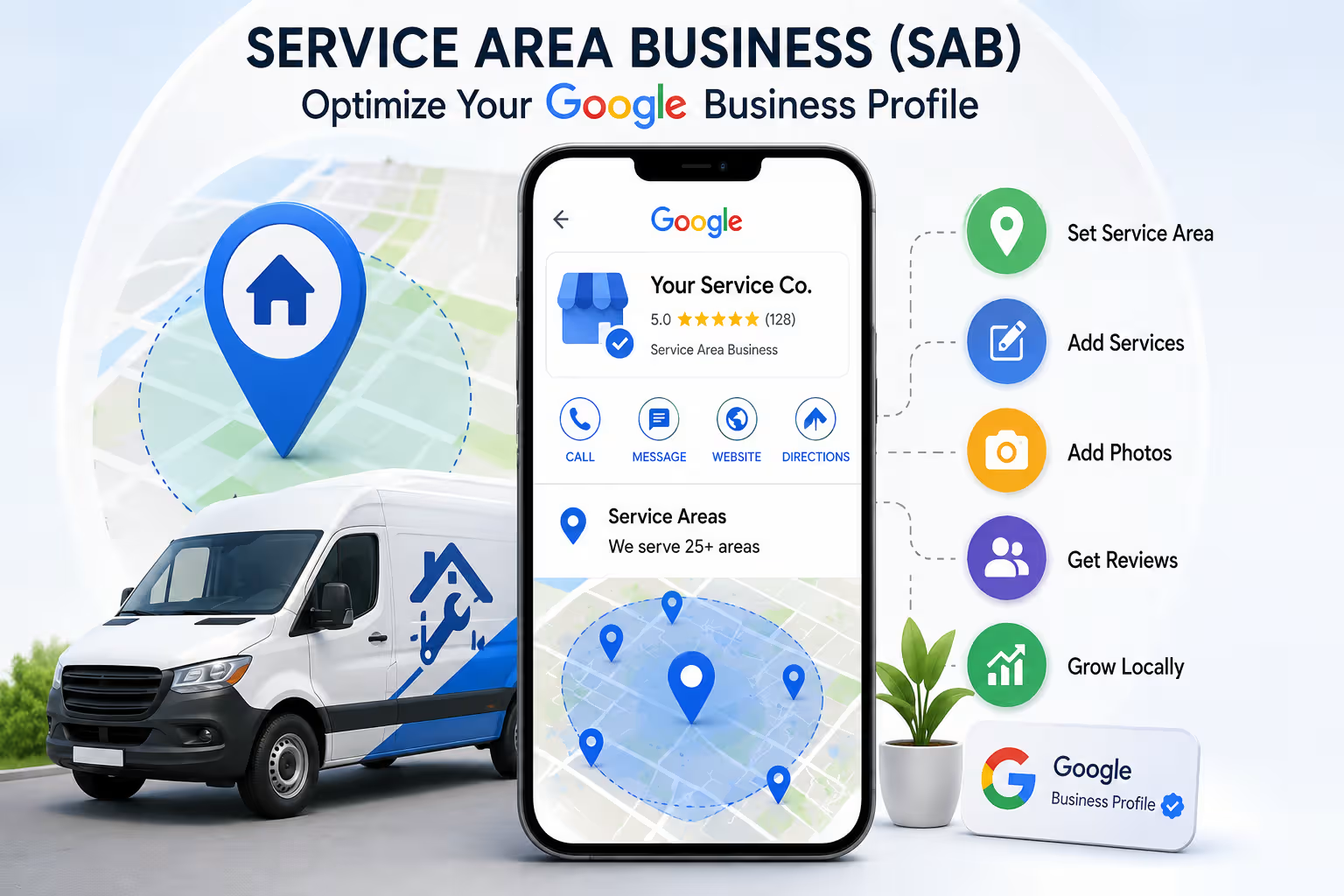
An SAB is a business that travels to customers rather than having customers visit a storefront (e.g., plumbers, electricians, cleaners). For SABs, the physical address is typically hidden on GBP, and the profile instead lists defined service areas.
15. What tools do you use for Local SEO?
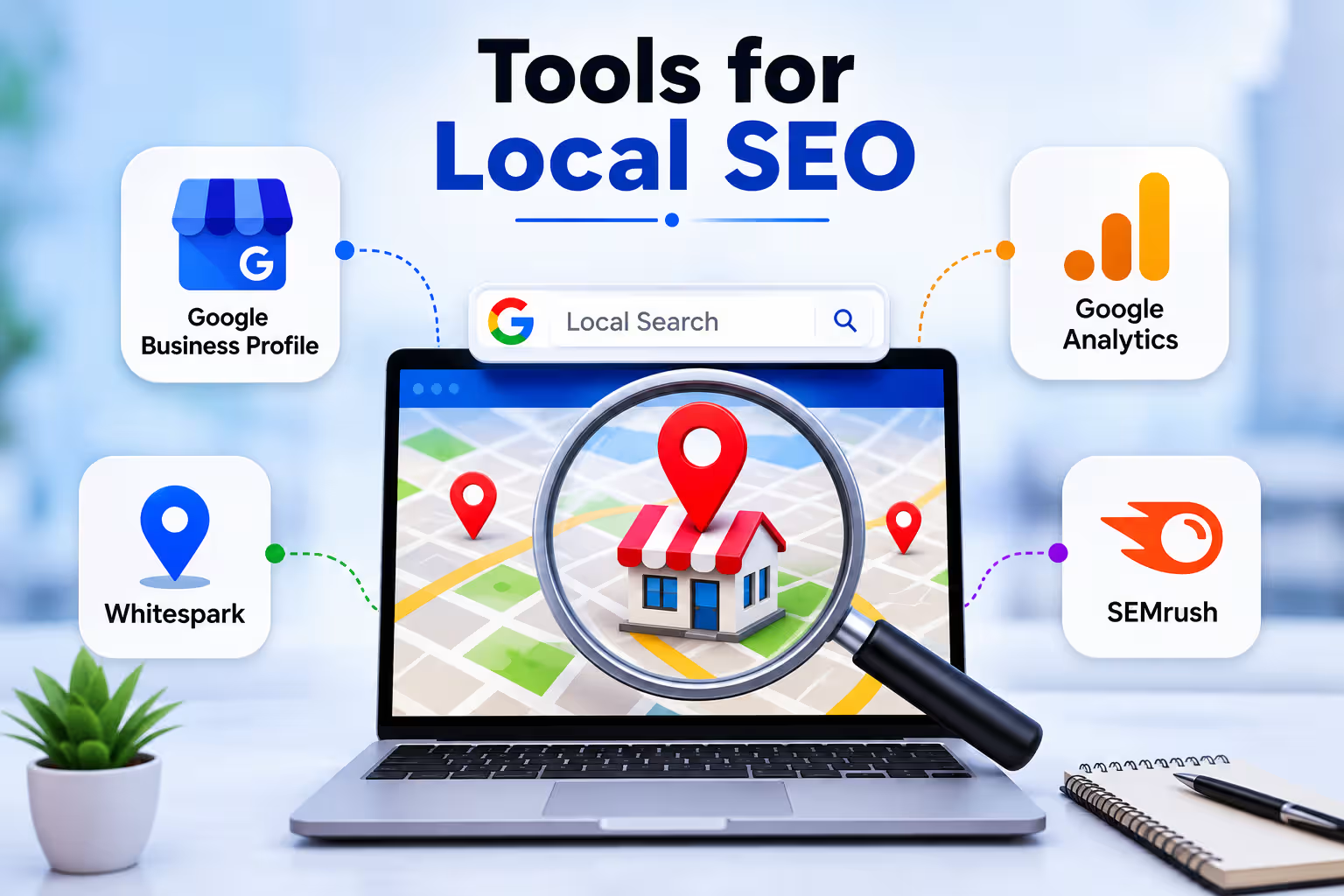
Common tools to mention:
- Google Business Profile Manager
- BrightLocal, Whitespark, Moz Local (citation/rank tracking)
- Google Search Console & Analytics
- SEMrush / Ahrefs (keyword and competitor research)
- Screaming Frog (technical audits)
16. How do you track and measure Local SEO performance?
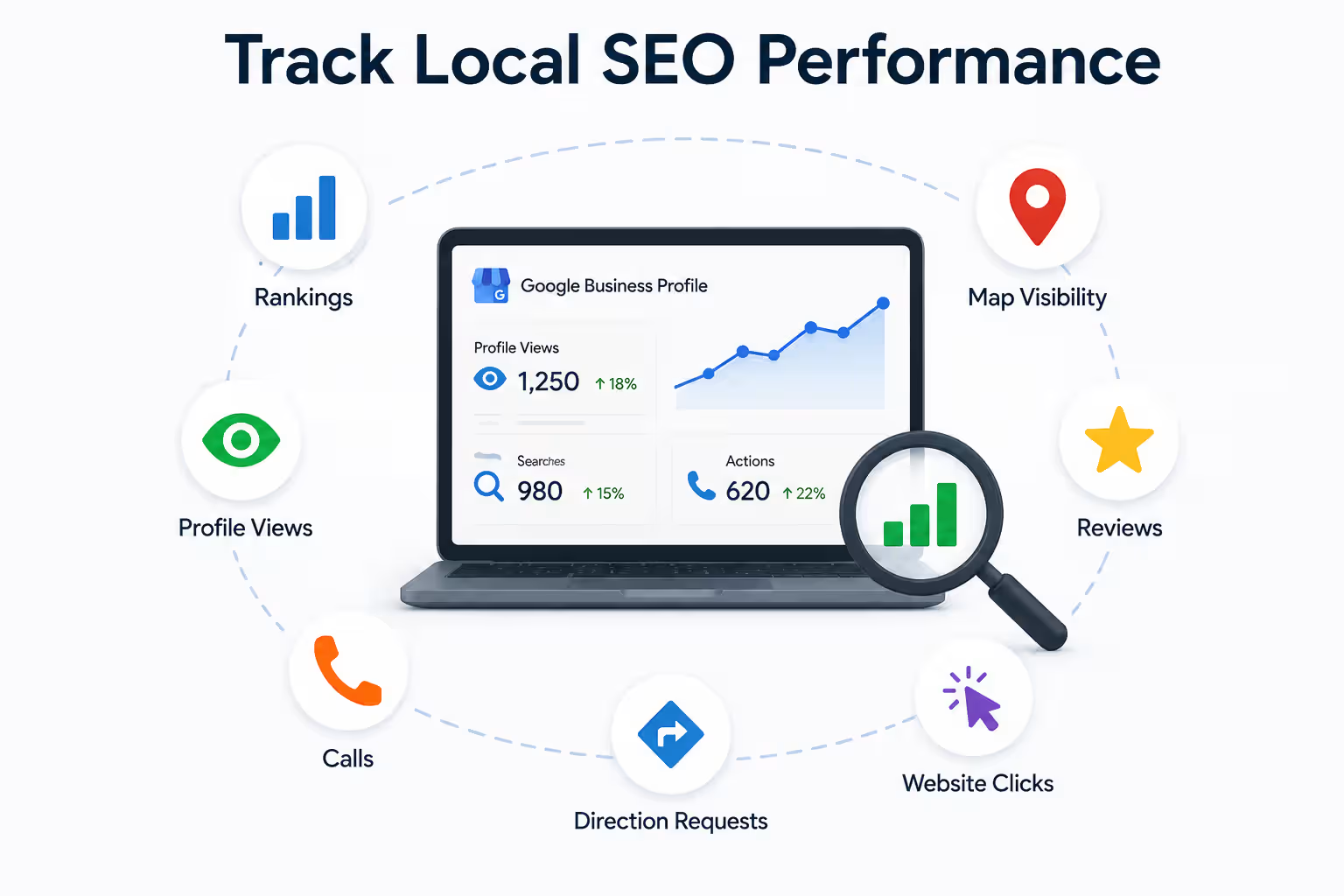
Key metrics include:
- Local Pack/Maps rankings for target keywords
- GBP insights (calls, direction requests, website clicks, views)
- Organic traffic to location pages
- Review volume and average rating over time
- Conversion rate from local traffic
17. What is proximity in Local SEO ranking?
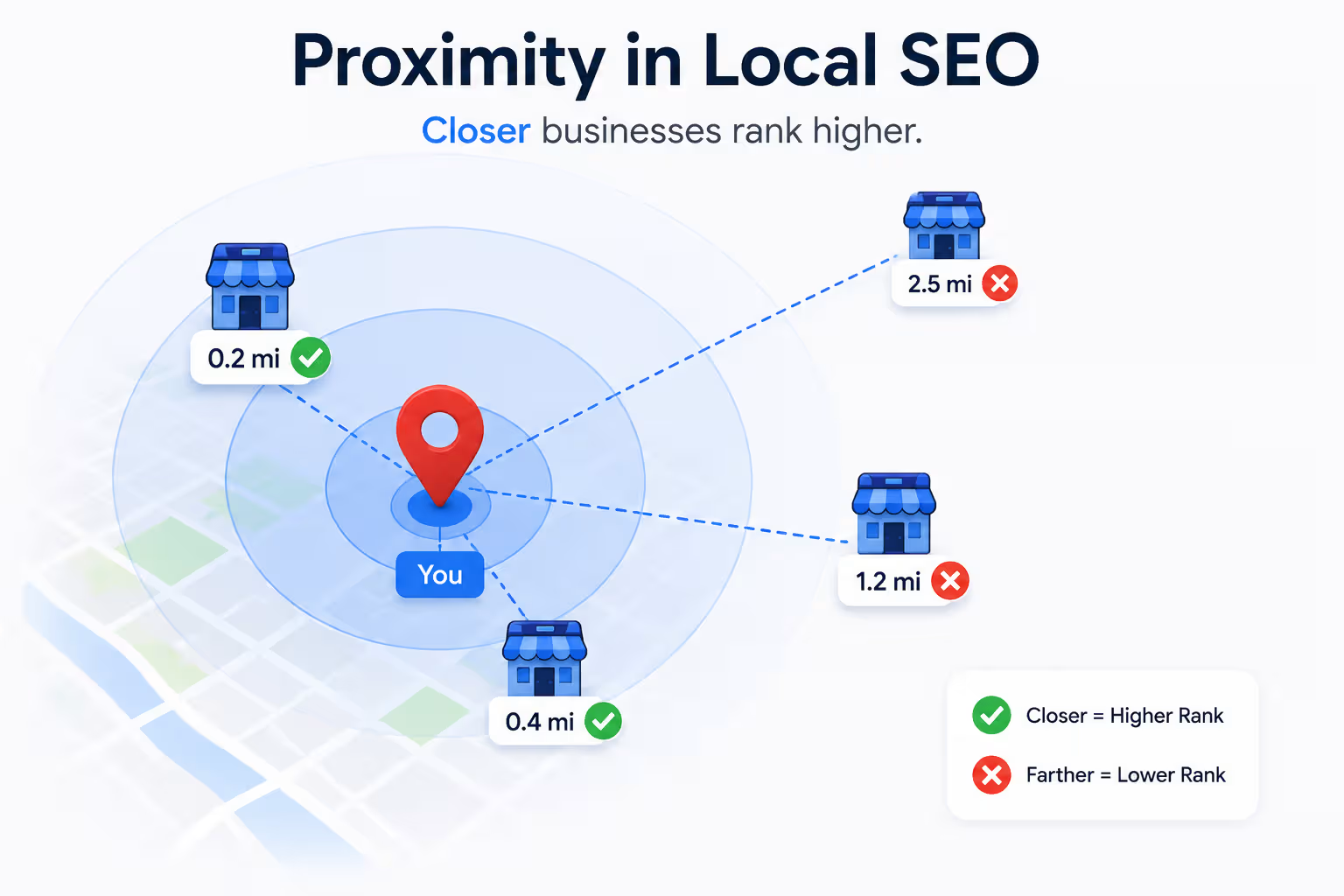
Proximity refers to how close the searcher (or the location specified in their search) is to the business. It’s one of Google’s core local ranking factors and is largely outside a business’s direct control, though it can be influenced by accurate address data and service-area settings.
18. What are Google Posts, and how can they help Local SEO?
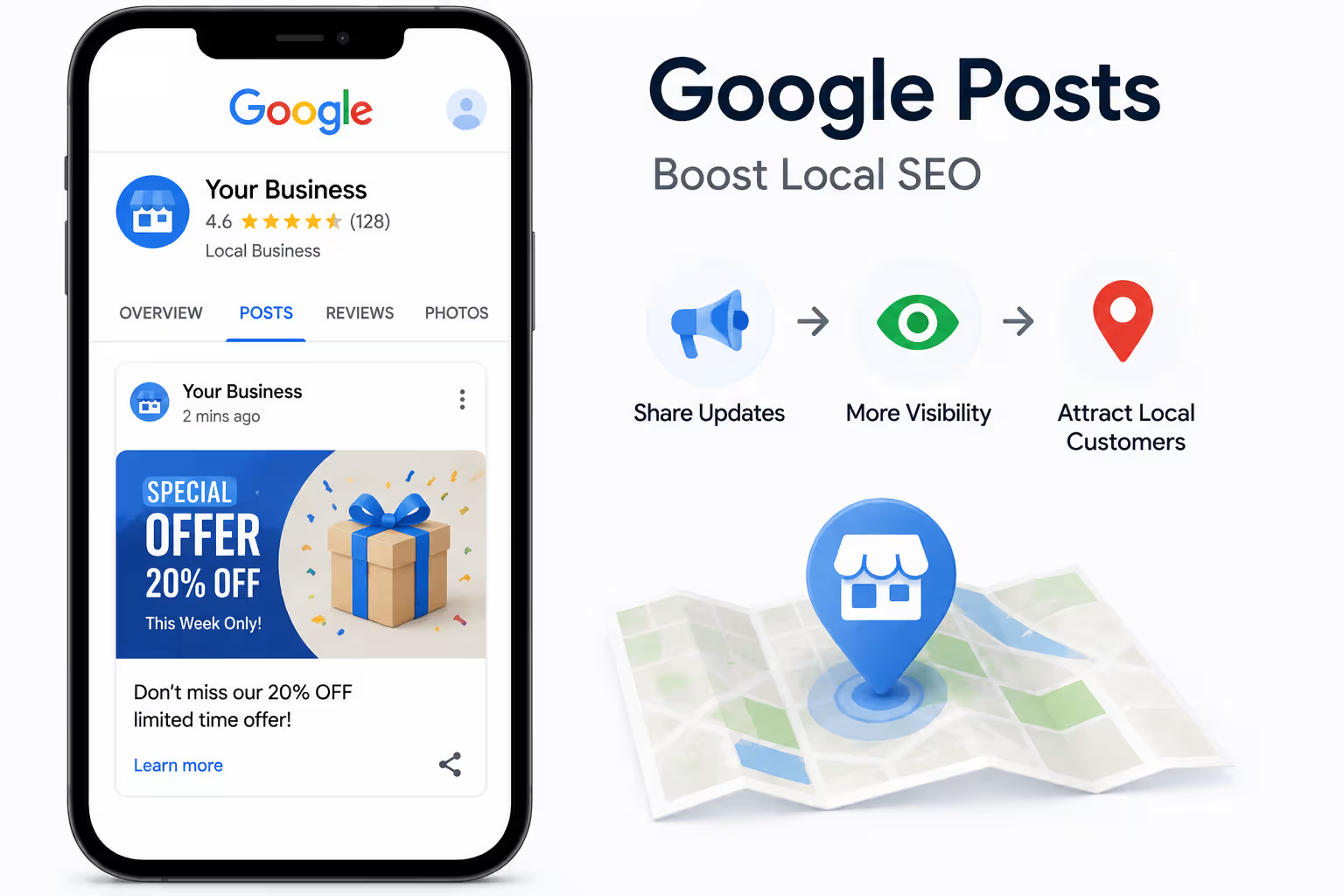
Google Posts are short updates (offers, events, news, products) that businesses can publish directly to their GBP listing. They keep a profile active, can improve engagement signals, and give searchers a reason to click through.
19. How would you handle duplicate Google Business Profile listings?
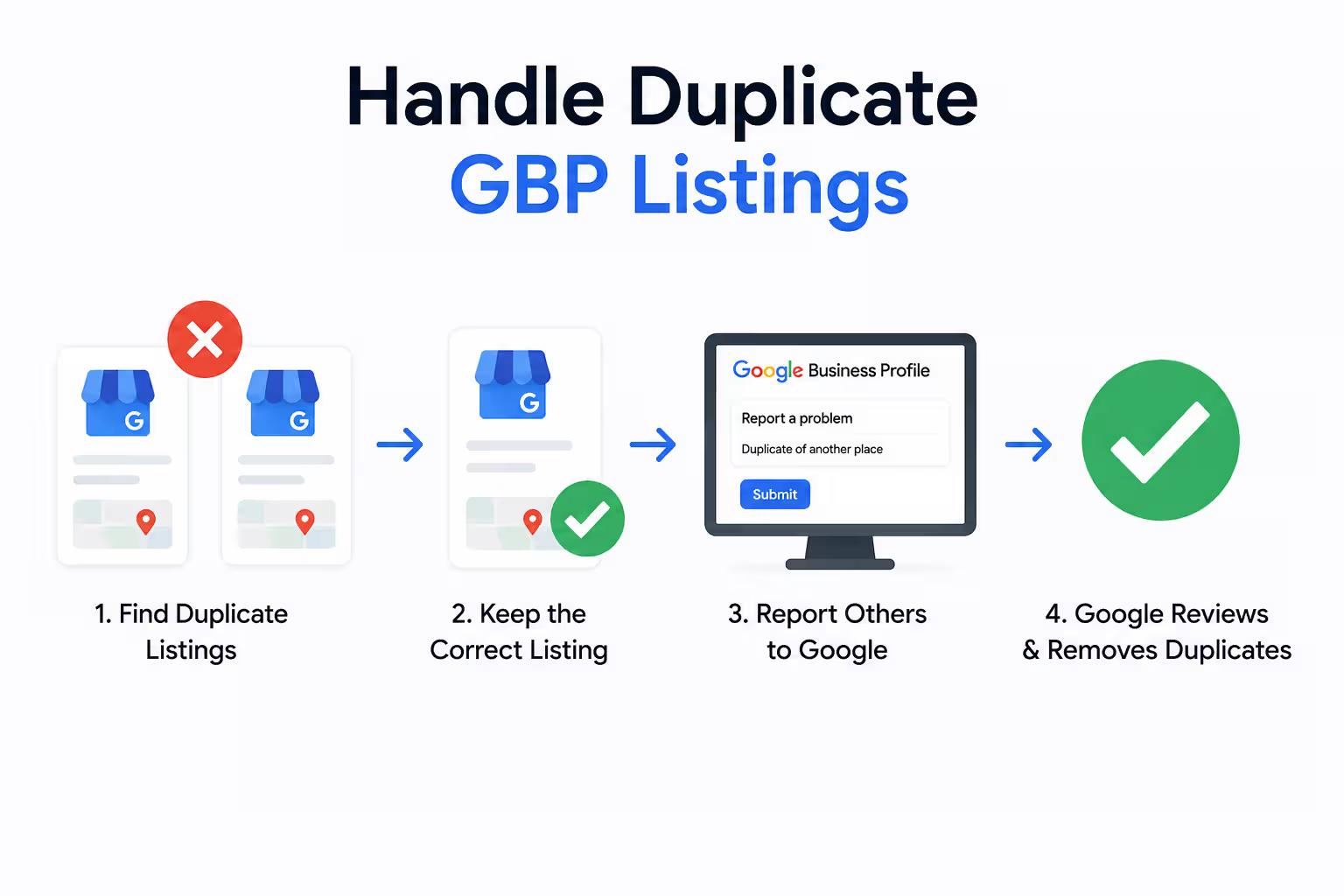
Explain the process: identify duplicates via Google Maps/Search, verify which listing is the “correct” one, and either request removal/merging of the duplicate through Google’s support tools or flag it via the “Suggest an edit” feature.
20. What would you do first if a client's rankings suddenly dropped?
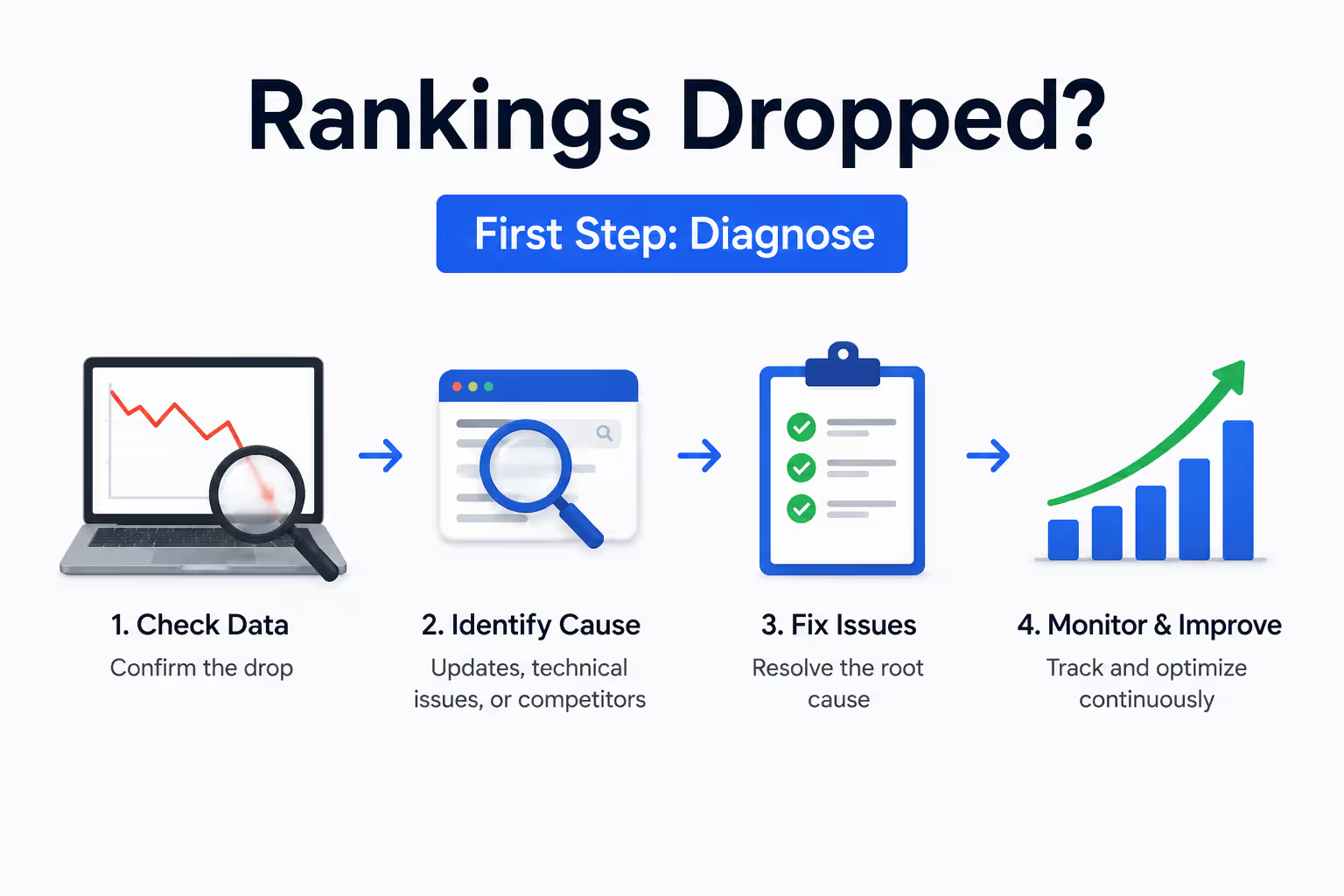
A strong answer shows a troubleshooting mindset:
- Check for a Google algorithm update around the drop date
- Verify the GBP listing hasn’t been suspended, edited, or hit with a suggested edit
- Check for NAP inconsistencies or new duplicate listings
- Review recent site changes (redesign, migration, robots.txt, etc.)
- Check review trends and competitor activity in the area
Tip for interview prep: For beginner roles, interviewers usually care more about whether you understand the “why” behind each concept than memorized definitions. Practice explaining each answer in your own words with a simple real-world example.
If you’re thinking about learning SEO Training in Mohali or Chandigarh? Get practical, hands-on training and learn how to actually apply these skills to real projects only at Digital Discovery Institute Mohali.